
Impact crushers are workhorses in the aggregate, mining, and recycling industries, known for their ability to produce high-quality, cubical products. But what exactly makes them tick? Let's delve into the key features that define these powerful machines and contribute to their effectiveness.
The Physics of Impact: Unlike jaw or cone crushers which rely on compression, impact crushers utilize the principle of impact and attrition. Material is propelled at high velocity against a striking surface, shattering it into smaller pieces. This process leads to a more uniformly sized product with less fines, compared to other crushing methods. The energy transfer is significantly higher, resulting in greater efficiency for certain applications.
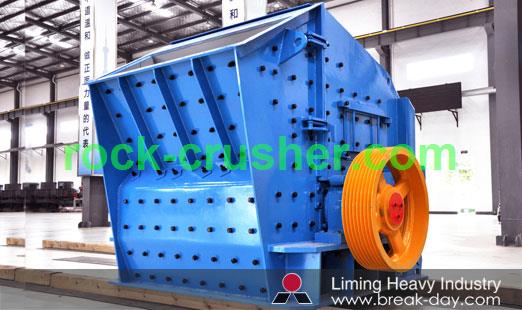
Key Components and their Contributions:
* Rotor: The heart of the impact crusher, the rotor is a heavy-duty component with hammers or blow bars attached. The speed and design of the rotor directly influence the size and shape of the final product. High-speed rotors produce finer materials, while slower speeds result in coarser products. The arrangement of the hammers (e.g., single-stage or multiple-stage rotors) also affects the crushing process.
* Impactors (Hammers or Blow Bars): These are the striking elements attached to the rotor. They are designed to withstand significant wear and tear, often fabricated from high-strength materials like manganese steel. Their design and configuration are crucial for optimizing the crushing process and minimizing maintenance requirements. Regular replacement of worn impactors is essential to maintain efficiency and product quality.
* Crushing Chamber: This is the enclosure where the crushing action takes place. The design of the crushing chamber influences the material flow and the final product size. Different chamber configurations are optimized for specific applications and material types. Features like adjustable aprons and liners allow for control over the final product size and shape.
* Discharge System: Efficient material discharge is crucial for continuous operation. The discharge system design minimizes material buildup and ensures a smooth flow of crushed material. This often involves a carefully designed apron and conveyor system.
Advantages of Impact Crushers:
* High Production Rates: Their efficient energy transfer leads to significantly high production rates compared to other crushing technologies for specific applications.
* Cubical Product Shape: The impact action produces a more consistently shaped, cubical product, highly desirable in construction and other industries.
* Reduced Fines Production: While some fines are produced, the quantity is generally lower than with other crushing methods, leading to less waste and higher overall yield.
* Versatile Material Handling: Impact crushers can process a wide variety of materials, including rock, concrete, asphalt, and recycled materials.
Disadvantages of Impact Crushers:
* Higher Maintenance Requirements: The high-impact forces lead to increased wear and tear on the components, requiring more frequent maintenance and replacement of parts.
* Sensitive to Abrasive Materials: Highly abrasive materials can cause accelerated wear on the hammers and other components, reducing the lifespan of the machine.
* Noise and Dust Generation: The high-speed operation of the rotor can generate significant noise and dust, requiring appropriate safety measures and environmental controls.
To summarize, impact crushers are powerful and efficient machines offering unique advantages for various applications. Understanding their key features and operational principles is essential for choosing the right crusher for specific needs and ensuring optimal performance and longevity. The ongoing advancements in materials science and design continue to improve their efficiency, durability, and environmental impact.