
Mobile crushers are a popular choice for many construction and mining companies due to their versatility and convenience. They offer easy transportation from one stone site to another, as well as fast setup and dismantling. One key feature of mobile crushers is their hydraulic systems, which enable them to crush hard rocks and ores with ease. In this article, we will take a closer look at how the hydraulic system of a mobile crusher works and its important components.
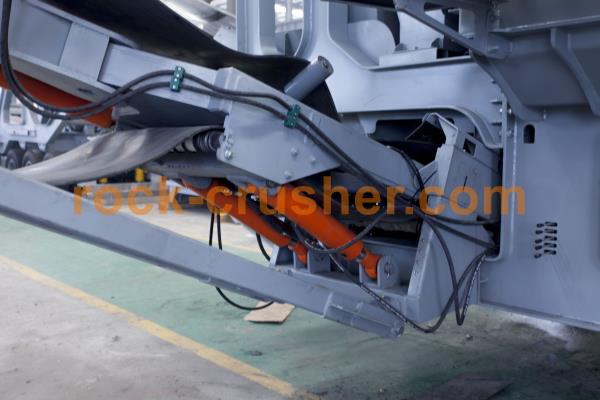
The hydraulic system of a mobile crusher is composed of many different parts, including hydraulic pumps, motors, cylinders, pipes, hoses, and fittings. All of these components work together to achieve the desired crushing output. Let's take a step-by-step look at the working process of the hydraulic system:
1. Hydraulic Pumps: The hydraulic system is powered by hydraulic pumps. They are usually driven by diesel engines or electric motors. These pumps generate hydraulic pressure, which is essential for the operation of the entire system.
2. Control Valves: Control valves are used to regulate the flow of hydraulic fluid within the system. They control the movement of the cylinders and ensure precise and efficient crushing. These valves can be manually operated or electronically controlled, depending on the design of the mobile crusher.
3. Hydraulic Cylinders: Hydraulic cylinders are the key components of the system responsible for crushing the materials. These cylinders are typically equipped with interchangeable crushing jaws or plates, which can be adjusted according to the desired size of the crushed material. When the hydraulic fluid is pumped into the cylinders, they extend and exert a force on the material, breaking it down into smaller pieces.
4. Hydraulic Motors: Hydraulic motors are used to power the rotating components of the mobile crusher, such as the conveyor belts and feeder drives. These motors convert the hydraulic pressure into mechanical energy, enabling the smooth operation of these components.
5. Hydraulic Pipes, Hoses, and Fittings: These are the channels through which the hydraulic fluid flows from one component to another. They are designed to withstand high pressure and allow the smooth transmission of hydraulic energy. Proper maintenance and regular inspection of these pipes, hoses, and fittings are crucial for the efficient operation of the hydraulic system.
The hydraulic system of a mobile crusher offers numerous benefits. Firstly, it provides a high crushing force, allowing the crusher to tackle even the hardest rocks and ores. This is particularly important in mining operations, where materials of varying hardness need to be crushed. Secondly, the hydraulic system allows for safe and easy adjustments of the crushing gap, enabling operators to achieve the desired end product size. Lastly, the system ensures smooth and efficient operation, reducing downtime and maximizing productivity.
Thus, the hydraulic system of a mobile crusher plays a crucial role in its overall performance and efficiency. Understanding how the system works and maintaining its components is vital for uninterrupted operation and extended lifespan of the crusher. If you are in the market for a mobile crusher, make sure to check the specifications and features of its hydraulic system to ensure it meets your crushing requirements.