
Stationary crusher plants play a crucial role in the mining and construction industries by crushing large rocks and stones into smaller aggregates for various applications. At the heart of these plants lies a complex electric circuit system that controls the operation of crushers and associated machinery. Understanding the basic electric circuit of a stationary crusher plant is essential for maintenance personnel, engineers, and operators to ensure smooth functioning and troubleshoot issues effectively.
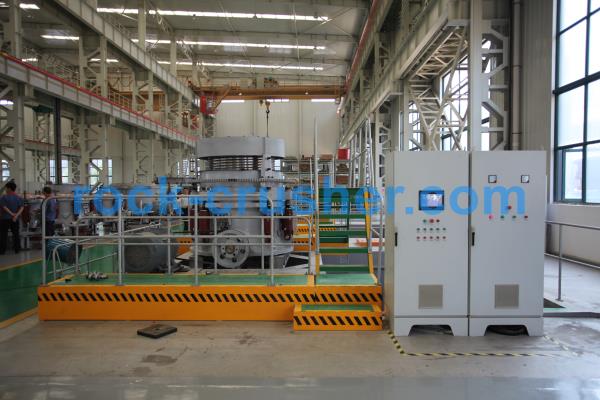
What is a Stationary Crusher Plant?
A stationary crusher plant is a fixed installation designed for continuous crushing of materials like ores, stones, and minerals. Unlike mobile crushers, it remains in one location and processes raw materials into usable aggregates. The plant typically includes equipment such as jaw crushers, cone crushers, vibrating feeders, screens, conveyors, and electric motors.
Components of the Basic Electric Circuit
The electric circuit of a stationary crusher plant connects and controls all the electrical equipment to ensure coordinated operation. The key components typically include:
The plant’s electric circuit starts with the power supply, usually from the electrical grid. This power enters through a main incoming panel equipped with circuit breakers or fuses to protect the system from overloads or faults.
From the power supply, electricity flows into the Main Distribution Panel, which distributes power to various machines and systems within the plant. It houses switches, contactors, overload relays, and protective devices to control and safeguard the motors feeding different crushers and auxiliaries.
Each crusher and conveyor system has a dedicated control panel. These panels contain push buttons, selector switches, indicator lamps, and programmable logic controllers (PLCs) or relay logic systems that start, stop, and regulate motor functions.
Electric motors drive the crushers, feeders, and conveyors. The motors are connected through starters like Direct On Line (DOL) starters or star-delta starters to manage the starting current and protect the motor from electrical faults.
Overload relays, thermal relays, and circuit breakers protect motors and wiring from damage due to excessive current or short circuits. Emergency stop switches are strategically placed for quick shutdown during emergencies.
To ensure safe and sequential operation, interlocks prevent one machine from starting before the previous one is operating correctly. For example, a crusher may only start when the feeder is running to avoid damage from blockages.
Working Principle of the Electrical Circuit
The process begins when the operator powers on the plant. The main control panel distributes electricity to various machines through protected circuits. Operators use push buttons or PLC inputs to start the feeder motor; once the feeder is running smoothly, the crusher motor circuit is energized, ensuring material flow into the crusher.
Vibrating screens and conveyors are similarly controlled. Throughout operation, current and voltage are monitored to protect the motors. If any abnormal condition is detected, protective relays trip the respective motors, preventing severe damage.
Why is Understanding the Electric Circuit Important?
- Maintenance: Knowing the circuit helps technicians troubleshoot faults quickly and maintain the plant efficiently.
- Safety: It ensures operators handle equipment safely, avoiding accidents caused by electrical failures.
- Optimization: Proper control of the electric circuit improves operational efficiency and reduces downtime.
The basic electric circuit of a stationary crusher plant integrates power distribution, control mechanisms, motors, and protective devices to enable a seamless crushing process. Familiarity with this circuit is key for anyone involved in the operation or maintenance of crusher plants, ensuring longevity and safety of the equipment. For anyone looking to get started with crusher plant operations, gaining a firm understanding of this electric schematic is a fundamental first step.