
Cone crushers are indispensable equipment in the mining, aggregate, and construction industries. They efficiently crush various types of ore and rock into smaller, uniform pieces suitable for further processing or use. One of the most critical parameters in operating a cone crusher is the gap regulation — adjusting the gap between the crushing surfaces to control the output size and optimize performance. Understanding how cone crusher gap regulation works and how to maintain it can greatly enhance productivity and prolong equipment life.
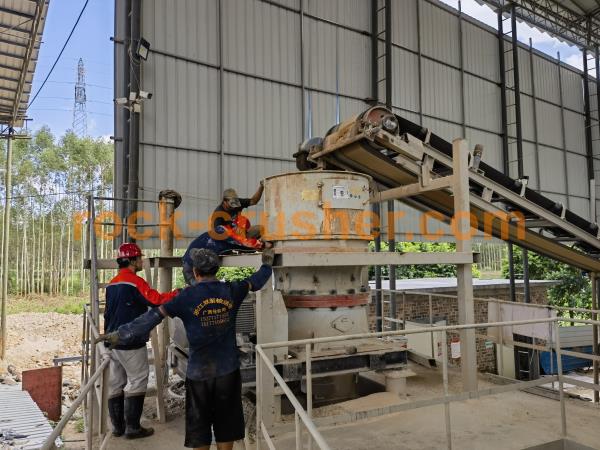
What is Cone Crusher Gap Regulation?
The gap in a cone crusher refers to the distance between the mantle (the rotating cone) and the concave (the fixed outer shell). This gap determines the maximum size of the crushed material exiting the crusher. By regulating this gap, operators control the size of the crushed product and the crusher’s throughput.
Why is Gap Regulation Important?
1. Product Size Control: A narrower gap results in finer crushed product, while a wider gap allows larger pieces to pass through. Precise gap adjustment is essential to meet specific size requirements for downstream processes.
2. Crusher Efficiency: Proper gap settings ensure that the cone crusher operates efficiently, delivering the desired output size without overloading or underutilizing the machine.
3. Equipment Protection: Maintaining the correct gap prevents unnecessary wear and tear on the crushing surfaces. A gap too tight may cause jamming and extensive damage, while a gap too wide can lead to poor crushing and increased stress on the crusher.
How to Regulate the Cone Crusher Gap?
Cone crushers are generally equipped with several systems to adjust the gap:
- Hydraulic Adjustment Systems: Modern cone crushers typically use hydraulic cylinders to move the mantle upwards or downwards, adjusting the gap seamlessly. This system offers precise, quick, and safe adjustments without manual intervention.
- Mechanical Adjustment Systems: Some crushers use screw-type or wedge adjustment mechanisms that require manual operation. Though effective, they often demand the machine to be stopped for gap changes.
- Shim Adjustment: Older or simpler cone crushers may require adding or removing shims (thin metal plates) between the hydraulic pistons and the adjustment ring to regulate the gap.
Best Practices for Gap Regulation
- Regular Monitoring: Continuously monitor the crusher’s output size and particle distribution. Use sensors or manual inspection to detect when adjustments are necessary.
- Follow Manufacturer Guidelines: Each crusher model has specific recommended ranges for gap settings. Always consult the manufacturer’s manual to avoid improper adjustments.
- Avoid Frequent Changes: Frequent or abrupt gap changes can stress the crusher components. Plan and execute adjustments methodically.
- Shutdown Safety: When manual adjustments are required, always ensure the crusher is stopped and properly locked out to avoid accidents.
- Maintain Wear Parts: Keep the mantle and concave in good condition; worn parts can affect the true gap size and crushing efficiency.
Cone crusher gap regulation is a vital aspect of crusher operation that directly impacts product size, crushing efficiency, and equipment longevity. Utilizing modern hydraulic systems and adhering to best practices for adjustment can significantly elevate your crushing process. For mining engineers, quarry operators, and plant supervisors, mastering gap regulation means optimizing productivity, reducing downtime, and maintaining the health of your cone crusher.