
When it comes to processing raw materials for various industries, two crucial processes stand out: crushing and grinding. While both operations are essential for reducing the size of materials, they serve different purposes and involve distinct mechanisms. Understanding the key differences between crusher and grinding operations is fundamental for industries such as mining, construction, and manufacturing. Let's delve into the specific characteristics of each process to shed light on their individual roles and functions.
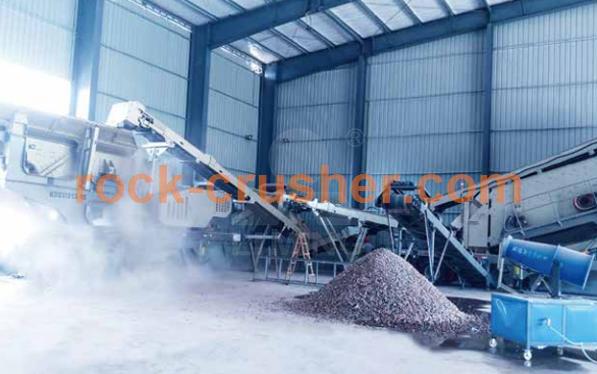
Crushing:
Crushing is a mechanical process that aims to reduce the size of large solid raw materials into smaller particles. Crushers are machines designed to break down materials such as rocks, ores, and minerals into more manageable pieces. This process is typically the initial stage of material processing and is crucial for preparing the material for further steps like grinding.
Key characteristics of crushing include:
1. Size reduction: Crushers are used to reduce the size of large particles into smaller ones, making them easier to handle and process downstream.
2. Types of crushers: There are various types of crushers available, including jaw crushers, cone crushers, impact crushers, and gyratory crushers, each suitable for different material types and sizes.
3. Crushing efficiency: The efficiency of a crusher is measured by its ability to reduce the size of materials effectively while consuming less energy.
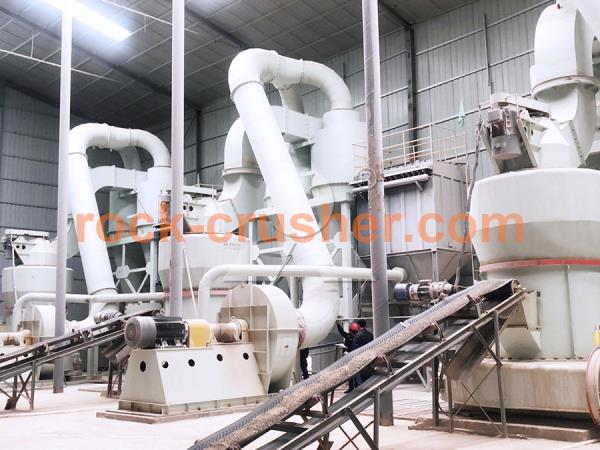
Grinding:
Grinding, on the other hand, involves reducing the size of particles through mechanical means, such as abrasion and impact. Unlike crushing, which focuses on reducing large solid materials, grinding targets smaller particles to achieve a finer end product. Industries like mining and stone processing heavily rely on grinding to refine materials for further processing or consumption.
Key characteristics of grinding include:
1. Particle size reduction: Grinding aims to reduce the size of small particles into finer powders or pastes for specific applications.
2. Types of grinding equipment: Grinding operations can be carried out using various equipment such as ball mills, hammer mills, and grinding mills, each suited for different material characteristics and desired outcomes.
3. Energy consumption: Grinding typically requires more energy compared to crushing due to the finer particle size reduction process involved.
Key Differences:
1. Purpose: The primary purpose of crushing is to reduce the size of large solid materials, while grinding focuses on achieving finer particle size reduction for specific applications.
2. Machinery: Crushers are designed to handle larger particles, while grinding equipment is optimized for processing smaller particles.
3. Energy consumption: Generally, grinding operations require more energy than crushing due to the finer size reduction process.
All things considered, while both crushing and grinding are essential processes in material processing, they serve distinct purposes and involve different mechanisms. Understanding the key differences between crusher and grinding operations is crucial for industries to optimize their processing efficiency and achieve desired end products. By comprehending the unique characteristics of each process, industries can make informed decisions on selecting the right equipment and methods for their material processing needs.