
In the field of mining and mineral processing, primary crushers play a crucial role in the initial stage of the ore processing chain. These machines are designed to break down large rocks into smaller, more manageable pieces, facilitating the subsequent stages of crushing and grinding. The design of primary crushers is a critical aspect that directly impacts the efficiency and productivity of the entire operation.
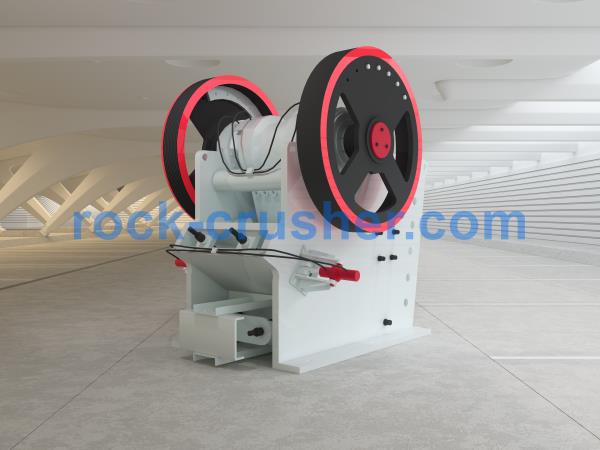
One of the key considerations in the design of primary crushers is the type of material that needs to be processed. Different types of ores and rocks have varying hardness, abrasiveness, and compressive strength, which must be taken into account when selecting the appropriate crusher. For example, a jaw crusher is commonly used for softer materials, while a gyratory crusher is more suitable for harder, more abrasive materials.
Another important factor to consider in the design of primary crushers is the feed size of the material. The crusher must be able to handle the maximum size of the rocks or ore particles to ensure efficient crushing. Therefore, the inlet opening of the crusher must be carefully designed to accommodate the feed material without causing blockages or unnecessary wear on the machine.
Efficiency and energy consumption are also critical aspects of crusher design. A well-designed crusher should maximize the energy input and minimize energy losses during the crushing process. This can be achieved through the proper selection of crusher components, such as the crushing chamber design, rotor speed, and the size and shape of the crushing elements.
The durability and maintenance requirements of primary crushers are other important considerations in the design process. Crushers are exposed to high levels of wear and impact forces, so they must be constructed from robust materials and designed to withstand the harsh operating conditions in mining environments. Additionally, easy access to key components for maintenance and repairs is crucial to ensuring minimal downtime and maximum productivity.
In terms of safety, the design of primary crushers should incorporate features that protect operators and maintenance personnel from potential hazards. This includes proper guarding, emergency stop systems, and clear warning signs to prevent accidents and ensure compliance with safety regulations.
Overall, the design of primary crushers is a complex and multidisciplinary process that requires a deep understanding of material properties, crushing principles, and operational requirements. By carefully considering factors such as material characteristics, feed size, efficiency, durability, and safety, engineers can develop crushers that effectively meet the needs of mining operations while optimizing performance and minimizing downtime.
In summary, the design of primary crushers is a vital component of the mineral processing industry, influencing the efficiency, safety, and overall productivity of mining operations. By paying close attention to key design considerations, engineers can create robust and efficient crushers that play a crucial role in the extraction of valuable minerals from the earth.