
In the world of heavy-duty industrial equipment, crushers are an essential component used for breaking down large rocks and minerals into smaller manageable sizes. Widely used in diverse sectors such as mining, quarrying, and recycling, crushers play a crucial role in processing iron ore efficiently. This article explores the different types of crushers commonly used in iron ore operations, shedding light on their distinctive features and benefits.
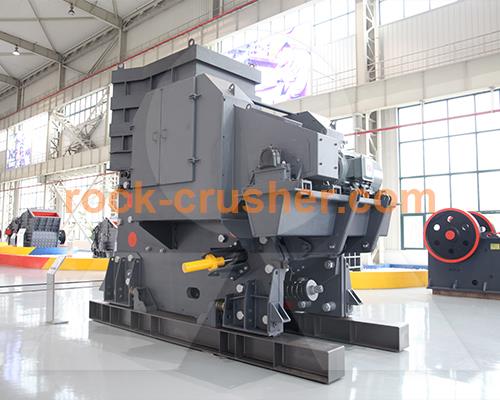
1. Jaw Crushers:
Jaw crushers are the most common type of primary crusher employed in mining operations for crushing large chunks of ore into smaller pieces. Known for their reliability and robustness, jaw crushers offer high productivity and low maintenance. They operate by compressing ore between a stationary jaw and a moving jaw, exerting immense force to break the material into smaller fragments.
Key advantages:
- High crushing ratio suitable for both primary and secondary crushing.
- Simple and straightforward operation.
- Low operating cost.
- Versatile in terms of the feed material size range.
2. Cone Crushers:
Cone crushers are often used in medium and fine crushing stages of iron ore processing, where their main purpose is to reduce the size of ore particles. Cone crushers consist of an eccentrically rotating mantle, an outer shell, a chamber lining, and a concave hopper. As the material enters the crusher, it receives repeated impacts from the mantle.
Key advantages:
- Produces finer-sized end products.
- Suitable for secondary and tertiary crushing stages.
- Excellent cubicity and particle shape.
- Multiple chamber options available to optimize crushing efficiency.
3. Impact Crushers:
Impact crushers, also known as hammer crushers, utilize the impact force to crush materials. They can be used in various stages of crushing, including primary, secondary, and tertiary. Impact crushers consist of a rotor, hammers, and an impact chamber that contains adjustable breaker plates.
Key advantages:
- High reduction ratio, enabling efficient size reduction.
- Versatile application in a wide range of materials.
- Ideal for shaping applications due to adjustable breaker plates.
- Robust construction suitable for heavy-duty operations.
4. Roll Crushers:
Roll crushers are designed to handle primary, secondary, and tertiary stage crushing of friable materials such as coal, salt, clay, bauxite, limestone, and other minerals. These crushers consist of two rotating cylinders with staggered teeth that break the material by compression, impact, and shear forces.
Key advantages:
- Excellent control over product size.
- Wide range of feed sizes accepted.
- Compact design with low headroom requirements.
- Ideal for handling sticky materials.
Choosing the right type of crusher for iron ore processing is crucial to ensure efficient operation and cost-effective production. The purpose of this article was to provide an overview of the different crushers available and their unique advantages in iron ore applications. From jaw crushers for primary crushing to cone crushers and impact crushers for secondary or tertiary crushing stages, we hope this information has been helpful in identifying the perfect crusher for your specific requirements.
Remember, proper selection and maintenance of crushers can maximize production efficiency while minimizing downtime and operating costs. Whether you are in the mining, quarrying, or recycling industry, understanding the capabilities and benefits of each crusher type will help you make informed decisions to optimize your iron ore processing operations.