
Hammer crushers are widely used in various industries, including mining, construction, and recycling. However, one common issue that can arise during their operation is vibration. This article explores the causes of vibration in hammer crushers, its potential impact on equipment performance, and ways to mitigate and address this issue.
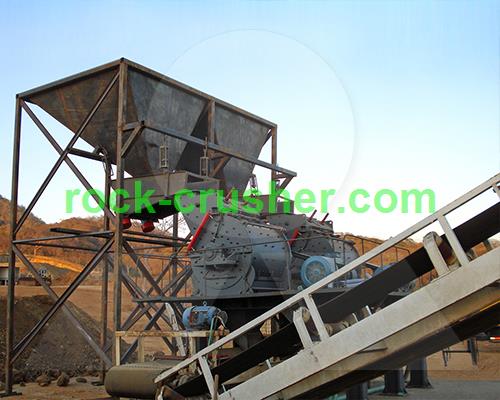
1. Causes of Vibration in Hammer Crushers:
a. Imbalance: The most common cause of vibration in hammer crushers is an imbalance in the rotor. This imbalance can occur due to uneven distribution of material inside the crusher, worn out or improperly installed hammer blades, or fluctuations in the feed material.
b. Mechanical Wear: Over time, the hammers, impact plates, and support beams in a hammer crusher can wear out, leading to an increased risk of vibration. As the components become worn, their ability to distribute force evenly decreases, resulting in an imbalanced operation.
c. Loose Fasteners or Foundation: Loose bolts, nuts, or other fasteners that secure the crusher's components can contribute to vibration. Similarly, a weak or improperly anchored foundation can amplify the vibration and impact the overall stability of the crusher.
2. Impact of Vibration on Equipment Performance:
a. Decreased Efficiency: Vibration in a hammer crusher can hinder the efficient crushing of materials. The shaking motion can cause loss of impact force and result in incomplete or uneven crushing, reducing the overall productivity of the equipment.
b. Increased Wear and Maintenance: Continuous vibration can accelerate wear and tear on the crusher's components, leading to increased maintenance and replacement costs. Additionally, excessive vibration can cause premature failure of bearings, seals, and other critical parts.
c. Safety Concerns: Excessive vibration raises safety concerns for operators working near the crusher. Uncontrolled vibrations can lead to machinery malfunctions or structural damage, posing risks to personnel and surrounding equipment.
3. Mitigation and Troubleshooting:
a. Regular Maintenance: Implement a comprehensive maintenance schedule to inspect and replace worn-out components, including hammers, impact plates, screens, and bearings. Regular lubrication of moving parts also helps reduce friction and vibration.
b. Balancing the Rotor: Perform a rotor balance test to ensure proper weight distribution, minimizing vibration. If an imbalance is detected, rebalancing the rotor or replacing damaged components can restore balanced operation.
c. Tighten Fasteners: Regularly inspect and tighten all bolts, nuts, and fasteners to maintain the structural integrity of the crusher. Utilize torque wrenches to ensure proper tightening to avoid overtightening or inducing additional stress.
d. Foundation Assessment: Evaluate the crusher's foundation for stability and structural integrity. Address any weak areas or deficiencies that could contribute to vibration. Reinforcements or modifications may be necessary to create a stable base for the crusher.
e. Operator Training: Train operators on proper feeding techniques and encourage consistent feed rates to avoid uneven loads and fluctuations in material supply, reducing the risk of vibration.
f. Vibration Monitoring Systems: Install vibration monitoring systems to detect and measure vibration levels. This enables proactive identification of potential issues, allowing for timely maintenance and minimizing downtime.
Vibration in hammer crushers is a common challenge that can impact the performance, efficiency, and longevity of the equipment. Understanding the causes and implementing preventive measures can help mitigate vibration-related problems. By conducting regular maintenance, balancing the rotor, securing fasteners, assessing the foundation, and implementing proper operator training, the impact of vibration on hammer crushers can be minimized. Ultimately, addressing vibration issues ensures optimal equipment performance, increased productivity, and enhanced operational safety in various industries.