
Hammer mills are one of the most popular and versatile crushers used in the mining, agriculture, and manufacturing industries. Their ability to crush, grind, and pulverize a wide range of materials makes them indispensable in processes where size reduction is essential. In this article, we'll dive into the key aspects of hammer mill crusher design and the analysis needed to optimize their performance.
A hammer mill crusher is a type of impact crusher that utilizes rotating hammers to crush materials. It consists of a rotor with several hammers attached to it, enclosed within a sturdy casing. When the rotor spins, the hammers swing out and strike the material, breaking it down into smaller pieces. The crushed material then passes through a screen which controls the final particle size.
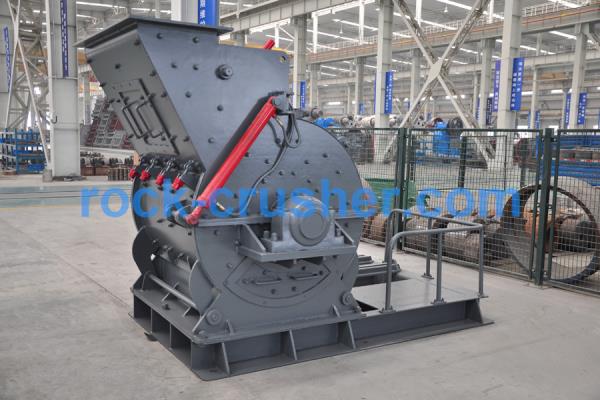
Key Components of Hammer Mill Design
1. Rotor Assembly: The rotor is the heart of the hammer mill. It typically consists of a shaft with hammers or blades attached via pins or bolts. The number, size, and arrangement of hammers directly affect the efficiency of crushing.
2. Hammers: These are the crushing elements, and their material and weight influence the crushing capacity and wear resistance. Common materials for hammers include hardened steel or tungsten carbide.
3. Screen Grate: Located beneath the rotor, the screen allows crushed material of the desired size to pass through. The mesh size of the screen determines the particle size of the output.
4. Housing/Casing: A robust enclosure protects the operator and contains the material during crushing. It also often includes inlet and outlet ports designed for optimal material flow.
5. Drive System: The power source (electric motor or diesel engine) rotates the rotor. Design considerations include speed, power rating, and torque requirements.
Design Considerations
- Material Properties: Before designing a hammer mill, understanding the physical properties of the raw material (hardness, moisture content, density) is crucial. This influences the selection of hammer material, rotor speed, and overall crusher dimensions.
- Capacity and Throughput: The throughput rate determines the size of the rotor and motor power requirements. Larger capacities require more robust designs and efficient material flow paths.
- Particle Size Distribution: Desired output size impacts screen size and hammer configuration. Finer outputs need smaller screen openings but can reduce throughput.
- Wear and Maintenance: Since hammers and screens wear out, their ease of replacement is a design priority. Some designs feature swing hammers or quick-change screens to minimize downtime.
Analysis for Optimization
1. Kinematic Analysis: This involves studying the motion of the hammers during operation. The angle and velocity at which hammers strike the material determine the impact force and energy transfer efficiency.
2. Stress Analysis: Using tools like Finite Element Analysis (FEA), engineers assess the stresses on the rotor, hammers, and housing to identify critical points prone to failure. This helps in selecting materials and improving structural reinforcements.
3. Dynamic Analysis: Vibration and balance are critical, as unbalanced rotors can cause excessive wear and failure. Dynamic simulations ensure smooth operation at various speeds.
4. Energy Consumption Analysis: Efficient hammer mill designs minimize power use while maximizing throughput. Energy consumption metrics help in designing cost-effective crushing solutions.
5. Material Flow Simulation: Computational Fluid Dynamics (CFD) or discrete element method (DEM) simulations can model how material moves through the mill, optimizing feed rates and outlet designs.
Designing and analyzing a hammer mill crusher requires a multidisciplinary approach combining mechanical design, material science, and dynamic analysis. By carefully selecting materials, optimizing rotor and hammer configurations, and leveraging modern simulation tools, engineers can create efficient, durable, and high-performing hammer mills tailored to specific industrial needs.
Understanding these principles allows manufacturers and operators to achieve reliable operation with minimal maintenance and operational costs, ensuring their hammer mills remain a vital tool for material processing.