
A well-designed layout is crucial for optimizing the efficiency and productivity of a stone crusher. A carefully planned layout will not only enhance the aesthetics of the space but also ensure that the equipment is placed strategically for maximum performance. This article provides valuable tips on how to create a well-organized and efficient layout for a stone crusher, thereby improving productivity and overall operational success in the construction industry.
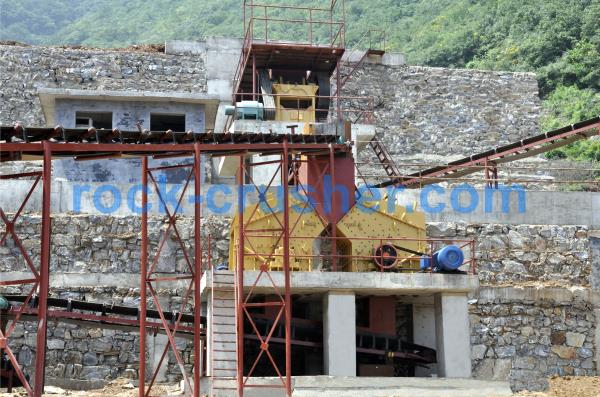
1. Analyze Site Constraints and Requirements:
Before designing the layout of a stone crusher, it is essential to analyze the site constraints and requirements. Consider factors such as available space, access to raw material, and proximity to other operational areas. Understanding these aspects will help determine the most suitable layout design and equipment placement for optimal productivity.
2. Plan for Proper Equipment Placement:
One of the key considerations in designing a stone crusher layout is the strategic placement of equipment. The primary crusher, feeder, screens, and conveyor belts should be positioned in close proximity to each other to minimize material handling and transportation distances. This promotes efficient workflow and reduces the chances of bottlenecks in the production process.
3. Consider Material Flow:
Efficient material flow is vital to ensure smooth operations in a stone crusher. Design the layout in a way that allows for a logical sequence of processes, starting from the feeding of raw materials to the final product discharge. Minimize material handling and optimize the flow of crushed stone, ensuring a continuous and streamlined operation.
4. Optimize Space Utilization:
Space utilization is a crucial factor in a stone crusher layout. Design the layout in such a way that the available space is utilized efficiently. Incorporate compact and space-saving equipment, considering their dimensions and accessibility for maintenance. Utilizing vertical space through multi-level structures or stacking systems can also maximize efficiency in smaller areas.
5. Safety Considerations:
Safety must be a top priority when designing the layout for a stone crusher. Ensure that there is sufficient space for safe and easy access to all equipment for maintenance and repairs. Implement proper safety measures such as walkways, handrails, and emergency stop buttons to ensure the well-being of workers and minimize accidents.
6. Allow for Future Expansion:
While designing the stone crusher layout, it is essential to consider future expansion or modification possibilities. Anticipate potential growth in production demand and plan the layout to accommodate additional equipment or increase capacity if required. This forward-thinking approach will save time and money when scaling up operations in the future.
7. Consider Noise and Dust Reduction Measures:
Stone crushing operations can generate noise and dust, which can impact the surrounding environment and the well-being of workers. Incorporate measures to mitigate noise levels, such as noise enclosures or sound-absorbing materials. Implement effective dust suppression systems to minimize the emission of dust particles.
A well-designed layout is instrumental in optimizing the performance and efficiency of a stone crusher. By analyzing site constraints, strategically placing equipment, optimizing material flow, and considering safety and expansion possibilities, a well-organized layout can enhance productivity in the construction industry. Furthermore, incorporating noise and dust reduction measures promotes environmental sustainability and improves the overall working conditions. By following these tips, construction companies can create an efficient stone crusher layout that ensures smooth operations and improved output.