
If you're looking to transform large rocks into smaller, more manageable pieces, setting up a rock crusher is a practical solution. Whether you plan to use it for construction purposes or simply want to crush rocks for landscaping, it's essential to understand the steps involved in setting up your rock crusher. This beginner's guide will provide you with a comprehensive overview, focusing on the crucial aspects of assembly, safety precautions, and proper maintenance to ensure efficient rock crushing operations.
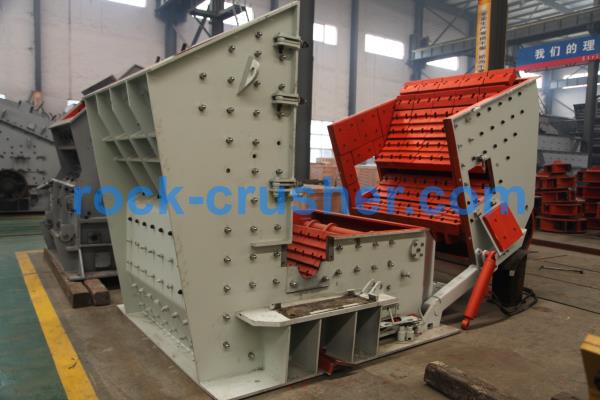
1. Determine the Ideal Location:
The first step in setting up a rock crusher is to determine the most suitable location for its installation. Consider proximity to the source of rocks, availability of space, and the potential for noise and dust emissions. A location with proper ventilation will also prevent the buildup of unwanted gases during the crushing process.
2. Obtain the Necessary Permits:
Confirm with local authorities if any permits or licenses are required to operate a rock crusher in your area. Compliance with regulations ensures a smooth and legal operation while minimizing potential legal issues or fines.
3. Select the Right Equipment:
Choosing the right type of rock crusher is crucial to achieve optimal results. Factors to consider include the size of rocks you intend to crush, the desired output size, and the capacity needed. Common types of rock crushers include jaw crushers, cone crushers, and impact crushers, each designed to handle different materials and sizes.
4. Assembly and Installation:
Carefully follow the manufacturer's instructions during the assembly and installation process. To begin, secure the crusher frame to a solid foundation using anchor bolts. Ensure that all moving parts are properly lubricated and aligned. Attach the desired crushing components, such as the jaw plates or hammers, securely and adjust them for optimal performance.
5. Implement Safety Precautions:
Prioritize safety measures to protect yourself and others during rock crushing operations. Wear appropriate personal protective equipment (PPE), including safety goggles, gloves, and dust masks, to prevent injuries and inhaling harmful dust particles. Keep bystanders away from the operational area and use safety guards and barriers to minimize the risk of accidents.
6. Test and Adjust:
After successfully setting up your rock crusher, it's crucial to carry out a series of tests to ensure its functionality and efficiency. Start by feeding small rocks into the crusher and gradually increase the size to gauge its capabilities. Keep a close eye on the temperature and noise levels during these tests. Adjust the crusher's settings, such as speed and gap, to optimize the crushing process for different rock types and sizes.
7. Establish a Maintenance Routine:
To prolong the lifespan and maximize the performance of your rock crusher, establish a regular maintenance routine. This includes inspecting and replacing worn-out components, checking lubrication systems, and tightening any loose parts. Adhere to the manufacturer's recommendations for maintenance intervals and keep detailed records of maintenance activities.
Setting up a rock crusher can be a rewarding project that benefits various applications, from construction projects to DIY landscaping endeavors. By following the steps outlined in this beginner's guide, you'll be well-equipped to assemble and operate your rock crusher safely and efficiently. Remember, proper maintenance and adherence to safety precautions are essential for long-term functionality and preventing accidents. Enjoy the power of crushing rocks and unlock endless possibilities with your newly set up rock crusher!