
In the world of material processing, cone crushers are widely used to crush and process various types of rocks and minerals. These machines have stood the test of time, providing a valuable and efficient solution for crushing tasks. Behind the smooth operation of these crushers lies a vital component - the hydraulic system. In this article, we will explore the significance and functionality of hydraulic systems in cone crushers.
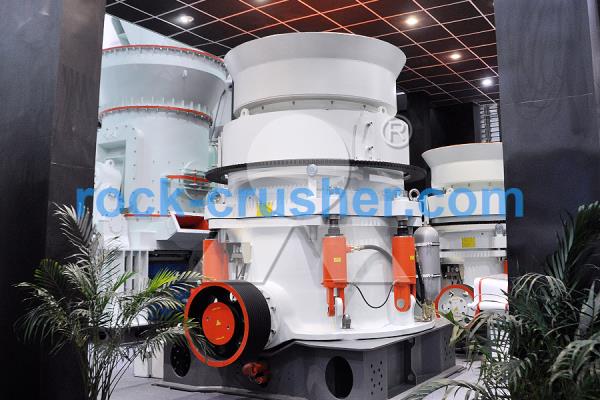
A hydraulic system in a cone crusher is a crucial component that provides hydraulic pressure and flow for smooth and reliable operation. It typically consists of hydraulic power unit, hydraulic hose, and hydraulic cylinder. These systems work together to control the movement of the crushing cone, manage the adjustment setting, and protect the crusher from overload and tramp iron.
Key Functions and Benefits:
1. Adjustment Settings: The hydraulic system enables the adjustment of the crusher's CSS (Closed Side Setting) to control the size of the product. With precise control over the CSS, operators can optimize the crusher's performance and achieve the desired product size.
2. Overload Protection: By providing an additional layer of security, the hydraulic system safeguards the crusher from damage caused by excessive load. When an uncrushable object enters the crushing chamber, the system releases the pressure, preventing potential damage to the crusher or its components.
3. Tramp Iron Relief: Cone crushers are vulnerable to contamination by tramp iron, which can cause significant damage. The hydraulic system instantly reacts to detect and remove tramp iron, ensuring uninterrupted operation and prolonged lifespan of the crusher.
4. Easy Maintenance: Hydraulic systems in cone crushers offer excellent ease of maintenance. With well-designed access points, technicians can easily access and inspect the components, making it simpler to conduct repairs and replacements when necessary.
5. Energy Efficiency: Hydraulic systems operate the cone crusher with low energy consumption. By using hydraulic power transmission, the system lowers the overall energy needs of the crusher, resulting in reduced operational costs.
6. Smooth and Reliable Operation: A cone crusher equipped with a high-quality hydraulic system ensures reliable performance during crushing operations. The system maintains constant pressure and flow, providing consistent and efficient performance for optimal productivity.
The hydraulic system plays an indispensable role in the operation of cone crushers by providing key functions such as adjustment settings, overload protection, and tramp iron relief. Its performance directly influences the crusher's efficiency, reliability, and maintenance requirements, making it a vital component in the material processing industry.
Having a thorough understanding of the hydraulic system's functionality empowers operators to optimize the crusher's performance, prevent potential damage, and ensure a smooth and reliable crushing process. Regular maintenance and inspection of the hydraulic system are necessary to guarantee long-term operational efficiency and prolong the lifespan of a cone crusher.
As technology continues to advance, the hydraulic systems in cone crushers are likely to become even more advanced, offering improved precision, control, and safety features. These advancements will further enhance the efficacy of cone crushers, making them an indispensable tool in the material processing industry.