
An integral piece of material reduction in various industries, the impact crusher is designed to swiftly crush rocks and other hard materials. Today, we will explore the inner workings of this highly efficient and versatile crushing machine, shedding light on its key components that enable it to deliver exceptional performance and produce high-quality end products.
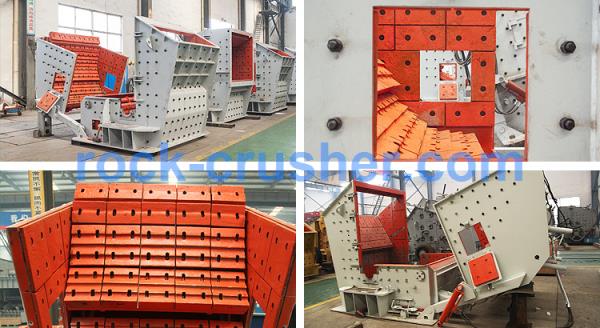
1. Rotor:
At the heart of the impact crusher lies the rotor, responsible for the impressive crushing capabilities of the machine. Comprised of a series of sturdy, high-strength steel discs or bars, the rotor revolves at high speed to propel the material against the breaker plates lining the crushing chamber. The unique shape and arrangement of the rotor's hammers or blow bars ensure optimal impact and fragmentation of the incoming rocks.
2. Blow Bars:
As the name suggests, blow bars are integral to the impact crushing process. These high-strength bars are attached to the rotor and are replaceable when worn out. The blow bars facilitate the impact between the rotor and the incoming material, providing the necessary force to break it into smaller fragments. The choice of blow bar material, such as manganese or martensitic steel, depends on the type of material being crushed and the desired final product specifications.
3. Breaker Plates:
Positioned on either side of the rotor, the breaker plates serve as housing for the incoming material during the crushing operation. Made from high-strength steel, these plates protect the impact crusher's structure from wear and tear caused by continuous impact. Adjusting the gap between the rotor and the breaker plates allows for controlled sizing of the final product.
4. Crushing Chamber:
The crushing chamber is where the magic happens in an impact crusher. Its design and shape directly impact the final product's size, shape, and particle distribution. Depending on the application, the crushing chamber can have a wide or narrow opening, allowing for different feed sizes and controlling the desired product output. The advanced design of the chamber ensures efficient and uniform crushing, minimizing any potential blockages.
5. Feed Opening:
The feed opening is the point of entry for the material to be crushed in the impact crusher. Its size and shape determine the maximum feed size allowed and directly impact the machine's overall performance. A larger feed opening permits larger rocks to enter the crushing chamber, while a smaller opening restricts the size of the material, resulting in finer end products.
To sum up, understanding the various components that make up an impact crusher is crucial for maximizing its efficiency and ensuring high-quality end products. The rotor, blow bars, breaker plates, crushing chamber, and feed opening all play vital roles in the material reduction process. By selecting the right combination of these components and adapting to specific application requirements, manufacturers can tailor the impact crusher's performance to suit different industries and achieve optimal results.
As an indispensable crushing solution, the impact crusher continues to evolve and redefine its capabilities. Manufacturers are constantly improving its components and design to meet the ever-growing demands for efficient and sustainable crushing methods across industries like mining, construction, and recycling.