
Limestone is an essential mineral found widely in construction, agriculture, and various other industries. It is predominantly used as a crushed stone or aggregate in concrete production, road bases, railroad ballast, asphalt paving, and landscaping materials. To harness the full potential of limestone, it is crucial to understand the correct operation of limestone crushers. This article explores the key aspects of limestone crusher operation and offers valuable tips to enhance its efficiency and productivity.
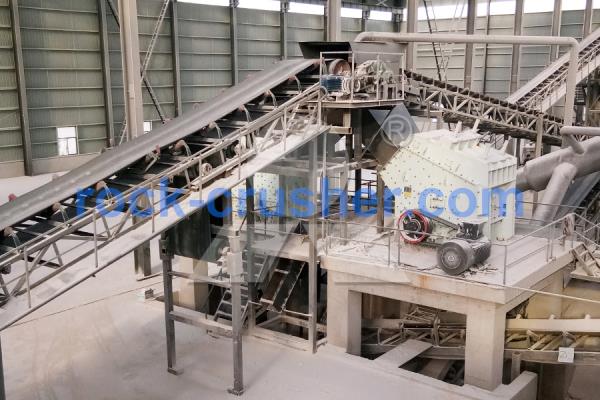
Key Considerations for Limestone Crusher Operation:
1. Ensure proper layout of equipment:
Proper planning and layout ensures that adequate space is allocated for each stage of the crushing process. This prevents congestion and allows seamless material flow, optimizing crusher performance.
2. Choose the right type of crusher:
There are various types of crushers available in the market, including compression crushers and impact crushers. Each type has its unique characteristics and advantages. Depending on the desired output and specific requirements of the project, select the appropriate crusher for the job.
3. Maintain consistent feed:
A consistent, well-controlled feed of the limestone into the crusher is crucial for optimal operation. An erratic feed may affect the crusher's performance, causing uneven wear on the liners and impeding the crushing process.
4. Monitor crusher settings:
Regularly monitor and adjust the crusher settings to maintain an optimal crushing chamber. This ensures consistent product size and shape, reducing the need for additional processing and improving overall efficiency.
5. Implement regular maintenance checks:
Perform routine inspections and maintenance procedures to detect any potential issues that may impact the crusher's performance. Lubrication, wear parts replacement, and safety checks should be carried out periodically to maximize uptime and avoid costly breakdowns.
6. Optimize crushing chamber design:
The crushing chamber design influences the crusher's performance and energy efficiency. A well-designed chamber ensures maximum utilization of the available power and increases the crushed material's production capacity.
7. Keep a close eye on wear parts:
Wear parts such as the crusher liners, blow bars, and impact plates are susceptible to wear and tear. Regularly inspect and replace these parts when necessary to avoid unpl downtime and maintain consistent crusher performance.
8. Implement dust control measures:
Crushing limestone can generate significant amounts of dust, which can be detrimental to both the operator's health and the surrounding environment. Install appropriate dust suppression systems, such as water sprays or dust enclosures, to minimize dust emissions and promote a safer work environment.
Mastering the art of limestone crusher operation is essential for maximizing the efficiency and productivity of limestone resources. By adhering to the key considerations mentioned above, operators can ensure a smooth and reliable operation, ultimately leading to increased profitability and sustainable production.
Remember, proper planning, routine maintenance, optimal crusher settings, and effective dust control measures are vital components in achieving the desired outcomes. With these practices in place, limestone crusher operators can unlock the true potential of this valuable mineral and stay ahead of the competition.