
The jaw crusher is a staple of the construction and mining industries, used to break down large pieces of rock and materials into more manageable sizes. The installation of a jaw crusher is a critical step that requires careful planning and attention to detail to ensure it functions correctly and lasts for years to come. Here’s a straightforward guide to installing a jaw crusher:
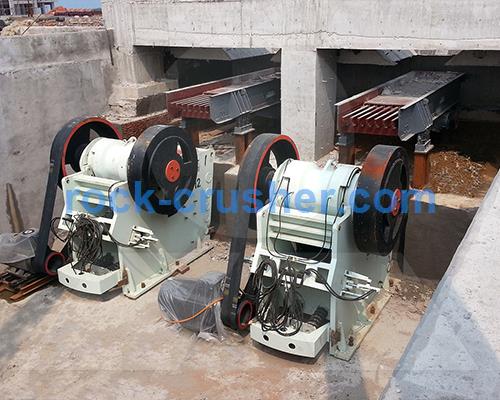
Preparation and Foundation
Before the jaw crusher arrives at the site, the installation area must be thoroughly prepared. This means creating a firm and level foundation that is capable of bearing the weight of the crusher, which can be extremely heavy. The foundation can be made of reinforced concrete to provide stability and reduce vibration.
Transport and Positioning
Once the foundation is ready, the jaw crusher can be safely transported to the installation site. This often requires a crane or other heavy-duty lifting equipment due to the sheer weight of the machinery. The crusher must be carefully positioned over the foundation while ensuring the feed and discharge areas are properly aligned.
Anchoring the Crusher
After positioning, the jaw crusher must be anchored to the foundation. This typically involves using anchor bolts that are secured deep within the foundation concrete. It's crucial to ensure that the bolts are tightened adequately and that the crusher is level to avoid any operational issues or uneven wear.
Connecting Power
Installing the power supply for a jaw crusher is not just a matter of plugging in a power cord. Depending on the requirements of the machine, it might involve setting up electric motors and drives, or in some applications, a diesel generator. Professional electrical installation ensures compliance with safety standards and prevents electrical overloads or malfunctions.
Conveyor Integration
Jaw crushers are usually part of a larger system that includes conveyors for transporting the crushed material. The integration of these systems needs careful planning to ensure the flow of material is smooth and that there are no bottlenecks, which could lead to inefficiencies or damage.
Testing and Calibration
With the physical installation complete, the crusher should undergo extensive testing before full operations begin. This includes running the crusher empty to check for any irregular noises or vibrations. If necessary, adjustments to the flywheel and drive belts should be made. Calibration ensures the gap settings for the crushed material sizes are correct.
Safety Measures
Lastly, before putting the jaw crusher into operation, installing proper safety guards and emergency stops is crucial. These should be easily accessible in case of an emergency, and instructions for safe operation should be clearly displayed around the equipment.
The installation of a jaw crusher is a multistep process that necessitates detailed planning, expertise, precise execution, and adherence to safety protocols. Cutting corners during installation can lead to equipment inefficiencies, costly repairs, or hazardous conditions, putting the operation and workers at risk. By following the correct installation procedures, you can ensure reliable and efficient operation of the jaw crusher for many years.