Coal has been an essential source of energy for centuries, powering various industries and fueling global economic development. While coking coal is primarily used in the production of steel, non-coking coal plays a crucial role in various industrial sectors, such as energy generation, thermal power plants, cement production, and more. In this article, we'll explore the significance of non-coking coal crushers and how they contribute to sustainable industrial growth.
1. What is Non-Coking Coal?
Non-coking coal refers to coal that cannot be converted into coke, a crucial component in steel manufacturing. This type of coal contains higher amounts of sulfur and lower amounts of volatile matter, making it less suitable for metallurgical purposes. However, its inherent energy value and industrial applications make it indispensable in sectors beyond steel production.
2. The Importance of Non-Coking Coal Crushers:
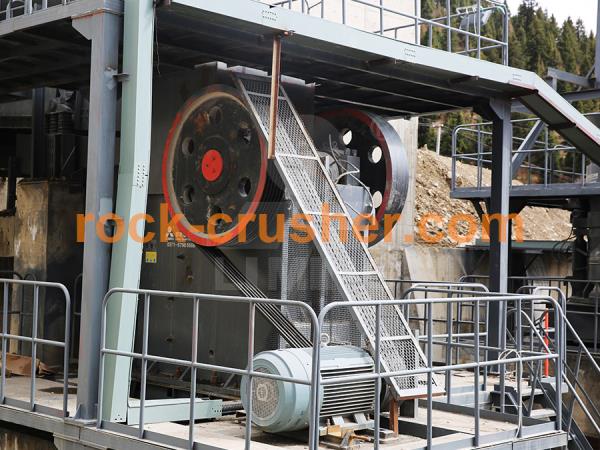
Non-coking coal crushers play a vital role in breaking down large chunks of coal into small, manageable pieces that can be used in various applications. The crushing process significantly enhances the energy efficiency of coal utilization while ensuring uniformity and consistency in the particle size.
3. Energy Generation:
Non-coking coal is widely used in thermal power plants to generate electricity. Coal crushers play a pivotal role in pulverizing coal into fine powder, enabling efficient combustion. The pulverized coal acts as a fuel, providing heat to boilers, which convert water into steam. This steam then drives turbines to generate electricity, thus meeting the energy demands of industries and households alike.
4. Cement Industry:
Non-coking coal crushers are instrumental in the cement manufacturing process. Coal is blended with other raw materials and heated to high temperatures in a kiln, resulting in clinker formation. This clinker is then ground into a fine powder, known as cement, which is used as a binding agent in construction. Crushers ensure the proper size reduction of coal, enabling efficient heat transfer during the clinkerization process.
5. Fertilizer Production:
The fertilizer industry heavily relies on non-coking coal for the production of ammonia and urea, essential components in fertilizer manufacturing. Crushers break down coal into smaller particles, facilitating its combustion in the production of ammonia. Ammonia is later reacted with carbon dioxide to produce urea, a primary nitrogen fertilizer used worldwide.
6. Sustainable Development:
Non-coking coal crushers not only contribute to industrial growth but also align with sustainable development goals. The efficient utilization of coal reduces greenhouse gas emissions and conserves energy resources. Additionally, advancements in crusher technology, such as employing clean coal technologies, further ensure environmental sustainability.
Non-coking coal crushers have revolutionized the industrial landscape by enabling efficient utilization of coal in various sectors. From energy generation and cement production to fertilizer manufacturing, these crushers are crucial for sustainable industrial growth. Their ability to break down coal into fine particles enhances energy efficiency, reduces carbon emissions, and conserves energy resources. As we navigate towards a greener and more sustainable future, it is imperative to recognize the pivotal role of non-coking coal crushers in fueling industrial progress.