
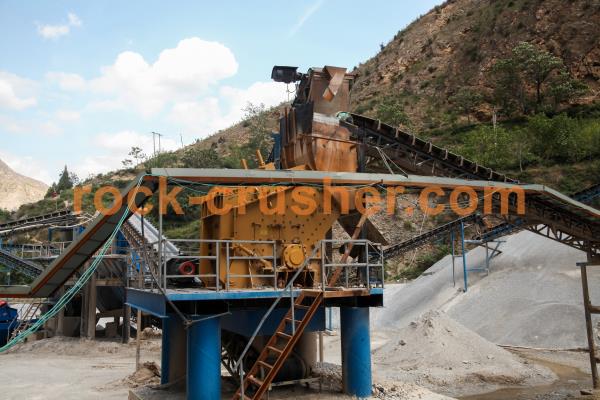
In the construction and mining industries, stone crushers play a crucial role in breaking down large rocks into smaller stones or gravel for various applications. However, with continued use, these machines can experience wear and tear, resulting in decreased efficiency and increased operational costs. The refurbishing of stone crushers has emerged as a cutting-edge solution to revitalize these essential machines, providing improved performance, sustainability, and cost-effectiveness. Let's explore the benefits and process of refurbishing stone crushers.
1. Improved Performance:
Stone crushers that have been in operation for extended periods are prone to reduced performance due to wear and tear on critical components. Refurbishing allows for the replacement or repair of these parts, such as the jaw plates, cone liners, and bearings, effectively restoring the crusher's original efficiency and capacity. This, in turn, enhances productivity and ensures a consistent output, enabling operators to meet production targets and deliver high-quality materials.
2. Enhanced Sustainability:
The refurbishing process of stone crushers aligns with the principles of sustainability by promoting the reuse and recycling of materials. Instead of discarding the entire machine, refurbishing allows for the salvaging and reuse of components that are in good condition, reducing waste and minimizing the environmental impact. Additionally, technological advancements have led to the development of more energy-efficient crushers that consume less power, reducing carbon emissions and promoting ecological balance.
3. Cost-Effectiveness:
Investing in the refurbishment of stone crushers proves to be a cost-effective alternative to purchasing brand new machines. Refurbished crushers are typically available at a fraction of the cost of a new one, making them a viable option for businesses operating on a limited budget. Furthermore, refurbishing can extend the lifespan of a stone crusher, postponing the need for a costly replacement and maximizing the return on investment.
4. Refurbishing Process:
The refurbishing process of stone crushers involves several essential steps to ensure the effective restoration of the machine. These steps include:
a. Assessment and Inspection: An expert technician thoroughly examines the crusher to identify worn-out or damaged components.
b. Component Replacement: The identified components are either repaired or replaced with high-quality parts to restore the machine's original functionality.
c. Cleaning and Painting: The crusher is thoroughly cleaned and sandblasted to remove dirt, grime, and rust. A fresh coat of paint is applied to protect the structure and enhance aesthetics.
d. Testing and Quality Assurance: Once refurbished, the crusher undergoes comprehensive testing to ensure its performance and adherence to quality standards.
The refurbishing of stone crushers presents a transformative solution for industries reliant on these machines. By improving performance, enhancing sustainability, and offering cost-effectiveness, refurbished crushers offer numerous advantages over purchasing new units. The refurbishment process, including assessment, component replacement, cleaning, and testing, guarantees the restored machines' reliability and functionality.
As industries strive to optimize efficiency while minimizing their environmental footprint, the refurbishment of stone crushers is a critical step towards achieving these goals. By embracing this approach, businesses can breathe new life into their equipment, prolonging its lifespan and maximizing operational productivity. The positive impacts of refurbishing extend beyond economic advantages, embracing environmental responsibility and contributing to a sustainable future.