
Stone crushers are essential machines in the construction and mining industries. They are used to crush large stones into smaller pieces or gravel, making them easier to handle and useful for various applications such as building roads, bridges, and buildings. If you are considering working with or operating a stone crusher, understanding the key requirements is crucial for safe and efficient operation.
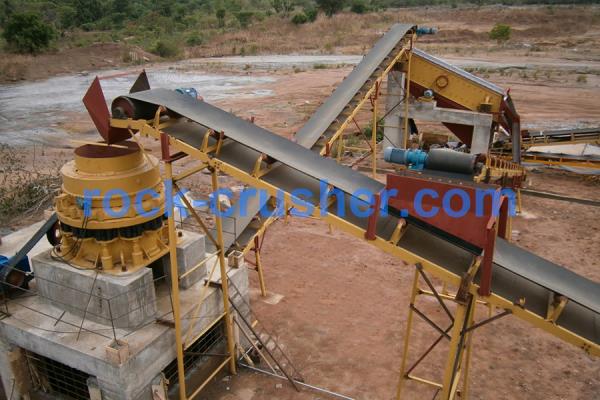
1. Proper Site Selection and Preparation
Before setting up a stone crusher, choosing the right location is vital. The site should have:
- Adequate space for the crusher and material storage.
- Easy access for transportation of raw materials and finished products.
- Proper drainage to prevent flooding or waterlogging.
- Compliance with local environmental regulations to minimize dust and noise pollution.
Preparing the ground, leveling the area, and building foundations (if necessary) ensure the crusher remains stable during operation.
2. Power Supply and Machinery Setup
Stone crushers require a reliable power source, such as electricity, diesel, or hydraulic power. Depending on the type of crusher (jaw, cone, impact, or gyratory), power requirements can vary significantly.
- Verify that the power supply matches the crusher’s specification.
- Ensure all mechanical parts, such as belts, pulleys, and motors, are properly installed and maintained.
- Set up feeding and discharge systems to facilitate continuous operation without blockages.
3. Skilled Operators and Training
Operating a stone crusher demands specific skills and knowledge. Operators should:
- Understand how to start, run, and stop the crusher safely.
- Be trained in identifying and troubleshooting common mechanical issues.
- Know the importance of routine inspections to avoid breakdowns.
- Follow all safety protocols to prevent accidents.
Regular training sessions and refresher courses help maintain high safety and efficiency standards.
4. Safety Measures
Stone crushing involves handling heavy machinery and flying debris, so safety is paramount. Important safety requirements include:
- Personal protective equipment (PPE) such as helmets, gloves, goggles, and ear protection.
- Installation of guards and safety covers on moving parts.
- Emergency stop buttons easily accessible.
- Signage to warn workers of hazards.
- Dust suppression systems to improve air quality.
5. Maintenance and Inspection
Regular maintenance prolongs the crusher’s life and ensures optimal performance. Tasks include:
- Lubricating moving parts to reduce wear and tear.
- Checking and replacing worn-out components such as jaws, blow bars, and liners.
- Monitoring oil and fluid levels in hydraulic systems.
- Cleaning the machinery to prevent build-up of and dust.
Scheduled inspections help detect issues early, preventing costly repairs and downtime.
6. Compliance with Environmental Standards
Stone crushers can adversely impact the environment if not managed properly. Operators must:
- Control dust emission using water sprays or dust collectors.
- Manage noise levels via sound barriers or operational timing.
- Properly dispose of waste material.
- Obtain necessary permits and adhere to environmental laws.
Successfully operating a stone crusher involves more than just the machine itself. It requires proper site setup, reliable power, skilled operators, strict safety protocols, regular maintenance, and environmental responsibility. By fulfilling these requirements, you can ensure efficient stone crushing while minimizing risks to health, safety, and the environment.