
The effective installation of crushers is crucial for any construction project aiming to crush rocks, stones, or other materials on-site. This process ensures the smooth operation and maximum productivity of the crusher, leading to efficient and timely completion of the project. In this article, we will explore the key steps and considerations involved in the site installation of crushers, aiming to provide a comprehensive guide for construction professionals and project managers.
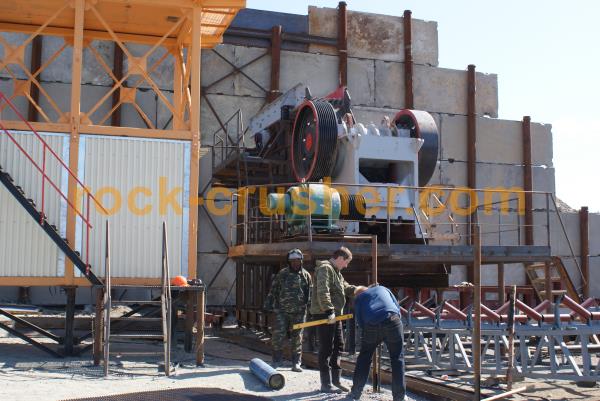
1. Planning and preparation:
Before beginning the site installation process, thorough planning is essential to ensure a successful outcome. This includes assessing the project requirements, such as the type and size of the crusher, as well as understanding the site conditions and logistical challenges. Additionally, obtaining all necessary permits and approvals is crucial to comply with local regulations.
2. Site assessment and preparation:
Conducting a detailed site assessment is vital to identify potential obstacles and ensure a smooth installation process. The site should be cleared of any debris, vegetation, or obstacles that could hinder the machinery's movement or operation. It is also essential to level the ground and provide a stable foundation to support the weight and vibrations of the crusher.
3. Transportation and positioning:
Proper transportation and positioning of the crusher play a significant role in its successful installation. Utilizing heavy-duty equipment like cranes or forklifts can ensure safe and efficient movement. Precise positioning of the crusher should be aligned with the project's requirements, considering factors like accessibility, material flow, and operator safety.
4. Foundation and anchoring:
Creating a solid foundation is crucial to ensure the stability and longevity of the crusher. Depending on the size and type of the crusher, it may require a concrete or steel foundation. Both types of foundations require proper anchoring to prevent the crusher from shifting or vibrating during its operation. Consultation with structural engineers is recommended to ensure the foundation meets the required specifications.
5. Electrical and mechanical connections:
Connecting the crusher to the essential electrical and mechanical components is a critical step in its installation. This includes both power supply and control systems. It is crucial to follow the manufacturer's instructions and the project's electrical safety guidelines to avoid any electrical hazards. Additionally, ensuring proper alignment and tension during the mechanical connections contributes to the crusher's performance and reduces the risk of malfunctions.
6. Testing and commissioning:
Once the crusher is securely installed and all connections are in place, comprehensive testing and commissioning should take place. This includes verifying the crusher's functionality, checking the material feed and discharge mechanisms, and conducting tests to ensure the crusher operates in accordance with the project requirements and safety standards. Regular maintenance schedules should be established to enhance the crusher's lifespan and optimize its efficiency.
Efficient site installation of crushers is crucial for the overall success of construction projects that involve crushing operations. By following the steps outlined in this guide and paying attention to site assessment, transportation, foundation, connections, and testing, construction professionals can ensure the smooth installation and operation of crushers. Effective crusher installation not only leads to increased productivity but also enhances the safety and longevity of the equipment, ultimately contributing to the successful completion of construction projects.