
Spring-type cone crushers are widely used in the mining and aggregate industries due to their effectiveness in reducing particle size and improving product shape. However, as with any mechanical equipment, these machines may experience occasional issues that can hinder their performance. In this article, we will explore some common problems with spring-type cone crushers and discuss possible troubleshooting solutions.
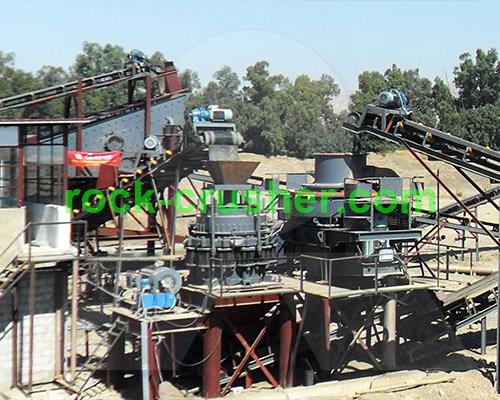
1. Uneven Liner Wear:
One common issue with spring-type cone crushers is uneven liner wear. This occurs when the liners wear out or become loose, resulting in uneven crushing forces being applied to the material. As a result, the crusher may produce inconsistent product sizes and reduce overall efficiency.
To address this issue, regularly inspect the crusher's liners for signs of wear or damage. Replace the liners if necessary, ensuring they are properly fitted and tightened. Additionally, consider rotating the liners or using liner profiles specifically designed to reduce uneven wear and maximize the crusher's lifespan.
2. Insufficient Crushing Capacity:
Another problem that can occur with spring-type cone crushers is inadequate crushing capacity. This may happen if the crusher is being overloaded or if the feed material is too hard or sticky. In such cases, the crusher fails to deliver the desired output and productivity.
To resolve this issue, review the crusher's operating parameters and adjust them accordingly. Optimize the closed side setting (CSS) and ensure that the crusher is not being operated beyond its recommended capacity. Additionally, ensure proper feeding of the material to avoid overloading the crusher. If needed, use a crusher with a higher capacity or consider implementing a pre-screening process to remove oversized material.
3. Clogged Feed Line:
A clogged feed line is a common problem encountered in spring-type cone crushers. This can happen due to the accumulation of fines or foreign objects in the feed material. A clogged feed line can lead to decreased productivity, increased wear on the crusher, and even catastrophic failure.
To address a clogged feed line, first, stop the crusher and inspect the feed line for any blockages. Clear any obstructions by removing the material manually or using appropriate tools. Implement proper material handling practices, including regular screening of the feed material to remove unwanted fines or foreign objects. Consider installing additional protection measures such as metal detectors or magnets in the feed line to prevent large foreign objects from entering the crusher.
4. Oil Leakage:
Oil leakage is another significant issue that can affect the performance of a spring-type cone crusher. If left unaddressed, oil leaks can lead to contamination of the lubrication system, decreased oil pressure, and potentially catastrophic equipment failure.
To fix oil leakage problems, inspect the crusher's oil seals, gaskets, and hoses for any signs of wear or damage. Replace any faulty components promptly and ensure they are properly installed. Regularly monitor the oil levels and pressure, and schedule regular maintenance to perform oil changes and check for any leaks.
Spring-type cone crushers are highly efficient machines, but they can encounter various issues that require troubleshooting. From uneven liner wear and insufficient crushing capacity to clogged feed lines and oil leakage, these problems can impact the crusher's performance and productivity. By addressing these issues promptly and implementing proper maintenance practices, operators can ensure that their spring-type cone crushers operate at peak efficiency, resulting in high-quality production and extended equipment lifespan.