
In the mining and construction industry, the demand for crushed stones is increasing due to the rapid growth in infrastructure development projects. This has led to the need for advanced stone crushing machines that can handle larger quantities of raw materials effectively. To meet these demands, stone crushing plants are being established across various regions. Due to their convenient operation and high efficiency, these plants have become a preferred choice for stone crushing.
Stone crushers are used extensively in mining, crushing various types of ores and rocks, such as granite, limestone, gravel, and more. With their high-speed operation and robust build, stone crushers are capable of crushing large rocks into smaller sizes.
The process involves feeding the stones into the crusher, along with a conveyor belt that transports the material to the crushing chamber, where the rocks are compressed and crushed under extreme pressure. The crushed material is then screened to separate the desired size and remove any impurities.
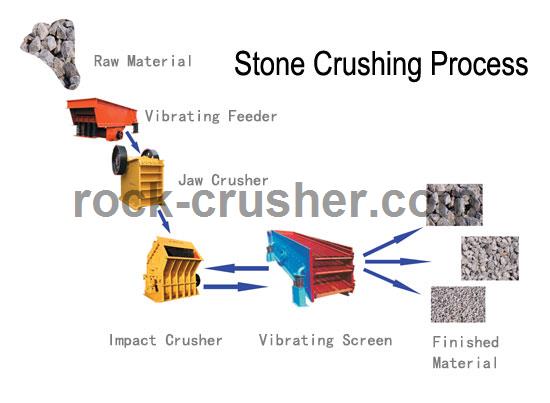
Key Components of a Stone Crushing Plant
1. Feeder: The feeder plays a crucial role in ensuring a continuous flow of material to the crusher. It is typically a vibrating screen or grizzly feeder that feeds the raw material into the crusher evenly and consistently.
2. Crusher: The crusher is the core component of the stone crushing plant. Its main purpose is to crush the stones into smaller sizes for further processing. It can be either a stationary or portable machine, depending on the site requirements.
3. Conveyor Belts: Conveyor belts are used to transport the crushed material to the next stage of the process. They are essential for the smooth operation of the stone crushing plant and increase efficiency.
4. Vibrating Screen: The vibrating screen is used to separate the crushed material based on its size. It consists of multiple layers of meshes or perforated plates, which allow the smaller-sized particles to pass through while retaining the larger ones.
5. Dust Suppression System: Crushing operations generate a significant amount of dust, which can be harmful to human health and the environment. To minimize this, a dust suppression system is installed in the stone crushing plant to control and suppress the dust particles.
Standard Operating Procedure for Stone Crushing Plants
1. Pre-Start Checks: Before starting the stone crusher, conduct a comprehensive inspection to ensure its readiness for operation. Check the oil level, fuel level, and coolant level, as well as the condition of the crusher components, belts, bearings, and electrical connections.
2. Start-Up Sequence: Follow the manufacturer's recommendations for starting the crusher, including activating the conveyor belts and other equipment in the correct sequence to ensure smooth operation.
3. Material Handling: Load the raw materials onto the feeder or conveyor belt, ensuring a steady and even flow to prevent overloading or blockages.
4. Crusher Operation: Monitor the crusher during operation, ensuring the feed is consistent and adjusting the settings as required to achieve the desired size and throughput.
5. Maintenance and Repairs: Regularly inspect and maintain all components of the stone crushing plant to ensure their proper functioning. Replace any damaged or worn-out parts promptly to avoid breakdowns and production delays.
The stone crusher processing procedure involves multiple stages, beginning with raw material extraction and ending with the production of crushed stones of various sizes. To ensure smooth operation and high efficiency in stone crushing plants, it is essential to understand the process and follow the correct procedures.
Investing in reliable stone crushing equipment and implementing standard operating procedures will not only enhance productivity but also ensure the safety of workers and minimize environmental impacts. As the demand for crushed stones continues to rise, it is crucial for industry professionals to stay informed about the latest advancements and best practices in stone crusher processing.
By adopting an informed approach and adhering to industry standards, stone crushing plants can contribute to sustainable development in the mining and construction sectors while meeting the ever-growing demand for quality construction materials.