
Stone crushers are pivotal in the construction industry, playing a key role in producing aggregate materials for various infrastructure projects. However, their operation comes with significant environmental considerations that cannot be overlooked. Understanding these impacts is crucial for developing more sustainable practices and mitigating environmental damage. In this article, we delve into the environmental effects of stone crushers and explore strategies for minimizing their impact.
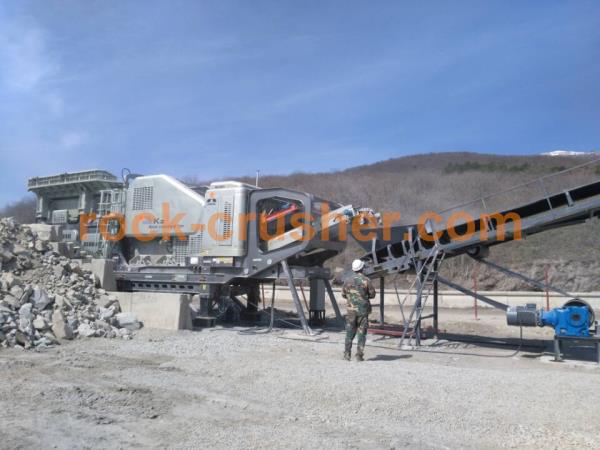
1. Air Pollution:
One of the most prominent environmental concerns associated with stone crushers is air pollution. The crushing process generates a substantial amount of dust, which can lead to increased levels of particulate matter in the atmosphere. This dust can contain harmful particles that affect both human health and the environment. Fine dust particles, such as PM10 and PM2.5, are known to cause respiratory problems and other health issues for nearby communities. Additionally, the dust can settle on plants, water bodies, and soil, potentially causing ecological imbalances.
2. Water Pollution:
Stone crushers can also contribute to water pollution through runoff and the discharge of contaminants. The washing of crushed stones often involves large volumes of water, which can carry suspended particles and pollutants into nearby water bodies. This can lead to sedimentation, affecting aquatic life and disrupting natural water cycles. Furthermore, oil and fuel leaks from machinery can contaminate local water sources, posing risks to both environmental and human health.
3. Noise Pollution:
The operation of stone crushers generates significant noise, which can have detrimental effects on both the environment and human well-being. Continuous noise from crushers, conveyors, and trucks can disturb local wildlife and impact the quality of life for nearby residents. Prolonged exposure to high noise levels can lead to hearing loss and increase stress-related health issues in humans.
4. Habitat Destruction:
The extraction of stone from quarries often involves the removal of large amounts of earth and vegetation. This process can lead to habitat destruction, which negatively impacts local flora and fauna. Deforestation and land clearing for quarry expansion disrupt ecosystems and can lead to loss of biodiversity.
1. Implementing Dust Control Measures:
Effective dust control methods can significantly reduce air pollution from stone crushers. Measures such as water spraying, dust suppressants, and proper maintenance of equipment can help keep dust levels in check. Additionally, enclosing the crushing area and using dust collection systems can further minimize airborne dust.
2. Water Management Practices:
Proper water management is essential for preventing water pollution. Implementing sedimentation ponds, using water recycling systems, and ensuring that water runoff is properly managed can help reduce the impact of stone crusher operations on local water bodies.
3. Noise Reduction Techniques:
To address noise pollution, stone crushers can incorporate sound-dampening technologies and practices. Installing noise barriers, maintaining equipment to reduce noise emissions, and scheduling operations during less disruptive times can help mitigate the effects of noise pollution.
4. Sustainable Quarrying Practices:
Adopting sustainable quarrying practices is crucial for minimizing environmental damage. This includes responsible land management, reforestation efforts, and ensuring that quarrying operations follow environmental regulations and guidelines. Engaging in reclamation projects and restoring disturbed lands can also help recover habitats and promote ecological balance.
While stone crushers are indispensable to the construction industry, their environmental impacts must be carefully managed. By understanding the various ways in which stone crushers affect the environment and implementing effective mitigation strategies, we can work towards more sustainable and responsible quarrying practices. It is through these efforts that we can balance industrial needs with environmental stewardship, ensuring that we protect our natural resources for future generations.