
In the world of construction and mining, stone crushers play a critical role in the preparation of aggregate materials. These machines are not just about crushing rocks; they also incorporate a vital and often overlooked component—screening. Screening is essential in ensuring the efficiency and quality of the crushed material, separating it into different sizes suitable for various applications.
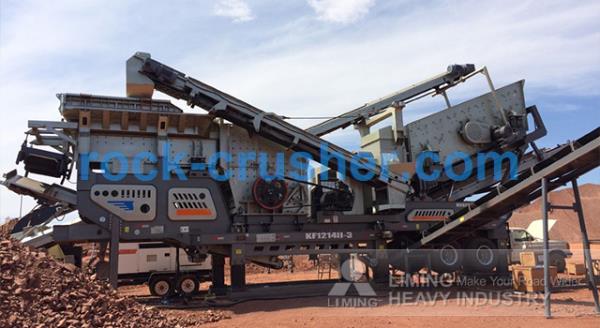
What is Stone Crushing?
Stone crushing involves the reduction of large rocks or stones into smaller, more manageable pieces. This process is performed through a series of mechanical operations utilizing various types of machinery, typically jaw crushers, cone crushers, or impact crushers. Once the stones are crushed, they enter the screening phase.
The Role of Screening
Screening is the process of separating crushed material into different sizes. This is achieved through the use of screens, which are vibrating platforms designed with mesh openings that allow smaller particles to pass through while larger pieces are directed for further crushing. The efficiency of a stone crusher is significantly linked to how well it can screen material.
Screening can occur in several stages:
1. Primary Screening: After the initial crushing, the material is screened to remove any oversized items before they can go into further stages of crushing. This helps maintain the efficiency of the process and ensures that only appropriately sized materials proceed.
2. Secondary Screening: In cases where more than one size of aggregates is required, secondary screening can separate materials further into fine, medium, and coarse aggregates. This helps in producing more precise aggregate sizes essential for specific construction needs.
3. Recycling and Reclamation: The screening process also allows for the segregation of reusable materials from waste, promoting sustainable practices within the mining and construction industries.
Key Components of Screening Equipment
Screening machinery consists of various components that work together to effectively separate materials. The vital parts include:
- Screening Media: This is the surface that contains openings for sorting materials by size. Common materials include woven wire, perforated plates, and synthetic mesh.
- Vibrating Mechanism: The screen is usually equipped with a vibrating mechanism that aids in moving materials across the screen's surface, promoting efficient separation.
- Feed Hopper: This is where the crushed stone is initially loaded and distributed evenly across the screening media.
- Discharge Conveyors: After screening, materials are transported via conveyors to their designated locations, whether for further processing or stockpiling.
The Importance of Efficiency
Efficient screening directly impacts the overall productivity of a stone-crushing operation. Properly screened aggregate enhances the performance of construction materials, leading to improved construction quality and cost-effectiveness. When the right sizes are produced, it reduces wastage, lowers transportation costs, and ensures that projects are completed on time.
Understanding the working principle of stone crushers, particularly their screening process, is essential for optimizing the crushing operations in construction and mining. As technology continues to advance, new innovations in screening technologies will undoubtedly improve efficiency, helping to meet the growing demands of the industry while adhering to sustainable practices.