
Stone crushing is an important industrial sector in various countries, particularly in the construction sector. With the ever-increasing need for building materials, the demand for stone crushers is also growing rapidly. This article aims to provide a detailed insight into the stone crusher process, highlighting the key aspects and stages involved.
Key Stages of Stone Crusher Process:
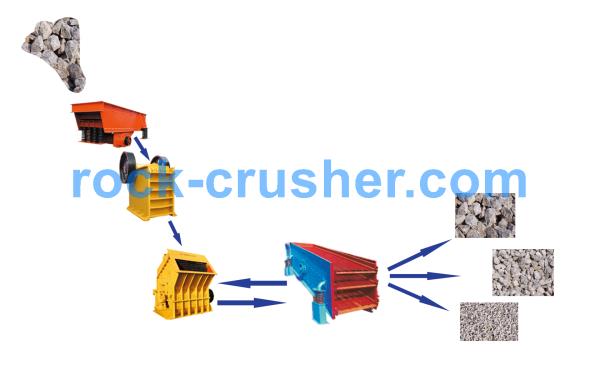
1. Primary Crushing:
In the first stage, the raw material is extracted from the quarry and fed into a primary crusher. The primary crusher, such as a jaw crusher or gyratory crusher, will break the material into smaller pieces, reducing its size for further processing. This stage is crucial in the stone crusher process as it sets the foundation for the subsequent stages.
2. Secondary Crushing:
Once the primary crushing stage is completed, the fragmented material is often subjected to secondary crushing. In this stage, cone crushers or impact crushers are commonly used. These machines further reduce the size of the stone into smaller pieces, preparing it for the next phase of the process.
3. Tertiary Crushing:
The tertiary crushing stage involves the use of cone crushers or VSI (vertical shaft impact) crushers to further reduce the size of the stone. This stage is critical for producing finely crushed and shaped aggregates, essential for various construction purposes.
4. Screening:
After the stone has gone through the crushing stages, it is important to separate the desired sizes of aggregates from the rest. Screening equipment, such as vibrating screens or rotary screens, is employed to achieve this. The aggregates are sorted by size to pass through the appropriate screening layers, ensuring that the final product meets the specific requirements.
5. Washing and Dust Control:
In some cases, crushed stone may require washing to remove excess fines or impurities. Additionally, dust control measures are essential to minimize the generation of airborne particles during crushing and screening processes. Various water-based systems and dust suppression techniques are employed to address these concerns.
6. Stockpiling and Transportation:
After the stone has been processed and sorted, it is usually stockpiled for storage or transportation. Stockpiling ensures a ready supply of aggregates for future use, while transportation involves delivering the final product to construction sites, ready-mix concrete plants, or asphalt plants.
The stone crusher process is a crucial aspect in the construction industry, turning quarried stone into a material that can be used in various projects. Whether it is supplying the necessary raw material for a road construction project or a large-scale industrial development, the process of crushing stone has a significant impact on the overall quality and efficiency of the project.
Understanding the different stages involved in the stone crusher process allows for better decision-making when it comes to selecting the appropriate equipment and optimizing the entire process. It is essential to use reliable and durable crushers, screeners, and other machinery to ensure the production of high-quality aggregates that meet the required specifications.