
In the world of construction and demolition, the concept of sustainability is gaining traction with each passing day. As we strive to minimize waste and maximize resource efficiency, concrete crushers have emerged as indispensable tools in the industry. These robust machines offer numerous benefits, enabling the recycling and repurposing of concrete waste, contributing to a greener planet. In this article, we will explore the different types of concrete crushers and their functions, highlighting their role in sustainable construction practices.
1. Jaw Crushers:
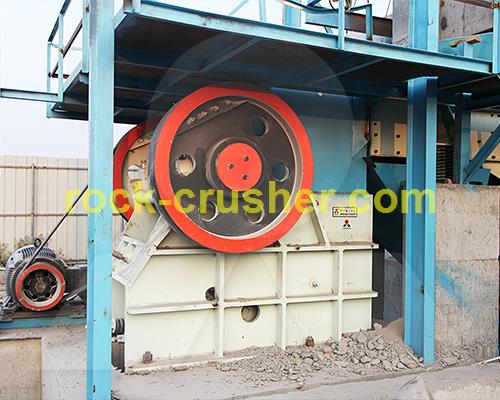
Jaw crushers are one of the most popular and versatile types of concrete crushers. They operate by compressing the concrete between two strong jaws. The primary function of a jaw crusher is to reduce the size of large chunks of concrete into smaller pieces, suitable for further processing. Jaw crushers are commonly used in recycling applications due to their ability to handle various types of concrete, including reinforced and precast structures.
2. Impact Crushers:
Impact crushers are ideal for processing concrete with higher strength and durability. They utilize horizontal shaft impactors that strike the concrete with high-speed rotating blow bars. The impact causes the material to break into smaller particles, making it easier to handle and recycle. These crushers are effective in reducing concrete into uniform-sized aggregates for concrete production or for use in road construction.
3. Cone Crushers:
Cone crushers excel at crushing concrete with high hardness or abrasive properties. They use a compression mechanism to break down the concrete by squeezing it between an eccentrically gyrating mantle and a concave surface. Cone crushers are widely employed in the recycling industry, as they can produce perfectly shaped aggregates from concrete debris, which can be reused in the production of new concrete.
4. Mobile Crushers:
Mobile concrete crushers have become increasingly popular due to their ability to process materials directly on construction sites. These compact machines are mounted on wheeled or tracked vehicles, allowing for convenient transportation and flexibility. Mobile crushers provide an efficient solution for on-site demolition, eliminating the need to transport demolished concrete to recycling centers. They are compact yet powerful, making them suitable for both small-scale and large-scale demolition projects.
5. Drum Crushers:
Drum crushers are specialized machines designed to crush concrete drums, barrels, and containers into compacted discs. These crushers are commonly used in industries where concrete waste is generated in the form of containers and drums, such as manufacturing plants, construction sites, and oil refineries. Drum crushers significantly reduce the volume of waste, enabling efficient storage, transportation, and recycling of concrete materials.
Concrete crushers offer multiple advantages for sustainable construction practices. By reducing concrete waste, they contribute to resource conservation and alleviate the burden on landfills. The versatility of different types of concrete crushers allows for efficient processing of various concrete structures, be it large-scale demolition projects or on-site recycling. These crushers not only save time and money but also help to reduce the carbon footprint of the construction industry. As we move towards a more sustainable future, concrete crushers will continue to play a crucial role in shaping a greener construction landscape.
By embracing and utilizing the power of concrete crushers, we can pave the way to a more sustainable and eco-friendly construction industry.