
In the realm of industrial applications, numerous equipment stands out for their ability to impact productivity and efficiency. Among these, stone crushers hold a significant place in the construction and mining industries. These versatile machines, also known as rock crushers, fulfill diverse crushing needs, enabling effective processing of natural rock materials into desirable aggregates. This article aims to shed light on what stone crushers are, their types, functions, and the benefits they offer.
What are Stone Crushers?
Stone crushers are powerful machines designed to tackle heavy-duty tasks in the construction and mining industries. These mechanized devices use mechanical force to break down large rocks into smaller, more manageable sizes. Through various methods such as compression, impact, or attrition, stone crushers convert large, solid chunks into fragments that can be used for various applications, including road construction, building materials, and aggregate production.
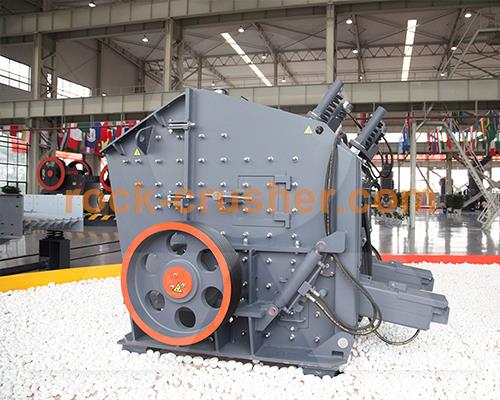
Types of Stone Crushers:
1. Jaw Crushers: These crushers are primarily used for primary crushing tasks and have robust and sturdy construction. Jaw crushers consist of a fixed jaw plate and a movable jaw plate that together form a V-shaped chamber. As the movable jaw moves back and forth against the fixed jaw, the feed material is crushed, providing the desired size output.
2. Cone Crushers: Cone crushers are widely used in secondary and tertiary crushing applications. They are characterized by a cone-shaped crushing chamber with a gyrating motion. Cone crushers utilize compression to break down rocks by squeezing them between a mantle and a concave surface, resulting in a finer product size.
3. Impact Crushers: Impact crushers are versatile machines suitable for both primary and secondary crushing. They use the principle of rapid impact to reduce large rocks into smaller fragments. Impact crushers are equipped with hammers or blow bars that strike the material, causing it to break upon impact.
Benefits of Stone Crushers:
1. Efficient Crushing: Stone crushers are designed to efficiently break down rocks, enabling the production of smaller, more manageable fragments. Effective crushing translates to easy handling, transport, and processing of materials, saving time and effort.
2. Versatility: Stone crushers can be employed for a wide range of applications, making them highly versatile equipment. Whether it's crushing hard, abrasive rocks in quarries or processing demolition waste, stone crushers perform optimally in various scenarios.
3. Cost-Effectiveness: Investing in stone crushers proves economically viable in the long run, as they significantly lower operational costs. Efficient crushing not only streamlines the overall production process but also reduces energy consumption and maintenance requirements.
4. Customizable Output Size: Stone crushers offer the advantage of customizable output sizes, allowing users to produce materials that meet their specific requirements. This flexibility ensures that various project specifications can be met efficiently.
Stone crushers play a vital role in diverse industries, providing essential support by breaking down large rocks into smaller fragments required for construction and mining activities. Their range of application, versatility, and cost-effectiveness make them indispensable machinery for boosting productivity within these sectors. By understanding the different types of stone crushers and their benefits, industries can make informed decisions when it comes to investing in their equipment.