
When it comes to crushing materials, cone crushers are widely used in various industries around the world. These powerful machines have the ability to reduce the size of rocks and other materials into finer particles. But have you ever wondered what makes cone crushers such efficient pieces of equipment? In this article, we will delve into the working principles of cone crushers and shed light on the intricacies that make them essential for many industries.
1. Basic Structure:
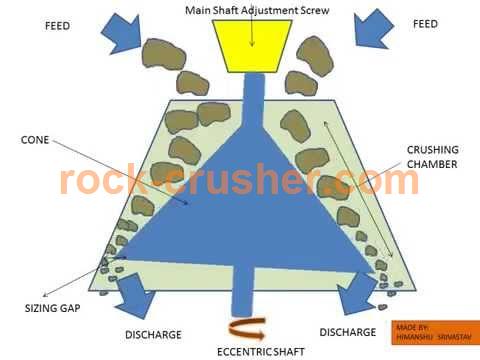
Before we dive into the working principles, let's have a quick overview of a cone crusher's basic structure. A typical cone crusher consists of a mantle, a concave (bowl liner), an eccentric shaft, a hydraulic cylinder, and adjusting mechanisms. The mantle and concave form the crushing chamber, while the eccentric shaft creates the gyratory motion. The hydraulic cylinder controls the adjustable cone head's vertical position, providing a way to regulate the size of the output materials.
2. Compression and Crushing:
The primary working principle of cone crushers revolves around the process of compression. As the name suggests, these crushers rely on compression to break down the materials. When the feed material enters the crushing chamber, it undergoes repeated compression between the mantle and concave liner. The eccentric motion of the shaft causes the mantle to move in a circular pattern, gradually crushing the material against the concave. This continuous compression process ensures efficient reduction of the input material.
3. Size Control:
One of the key advantages of cone crushers is their ability to control the size of the crushed material. By adjusting the position of the cone head, operators can achieve different output sizes. This is made possible by the hydraulic cylinder, which allows for precise vertical adjustment. Whether a producer requires coarse aggregates or fine sand, cone crushers can easily adapt to meet specific size requirements. Such versatility makes them highly desirable in industries like mining, construction, and aggregates.
4. Overload Protection:
Cone crushers are equipped with advanced systems to protect them from overloading. When the crushing chamber is overloaded with excessive material or if a non-crushable object enters the chamber, the hydraulic cylinder detects the pressure rise and triggers the release of the material. This feature prevents any potential damage to the crusher, ensuring its longevity and reliability.
5. Efficiency and Power:
Cone crushers are renowned for their high crushing efficiency and power. The combination of the compression process and the gyratory motion delivers excellent performance, allowing for the production of finer materials at a higher capacity. Additionally, the use of advanced technologies, such as hydraulic systems and automation, further enhances their efficiency and reduces downtime.
In short, cone crushers play a vital role in various industries due to their ability to efficiently crush materials into finer particles. Their working principles, which revolve around compression and size control, enable them to adapt to different requirements. Additionally, their overload protection systems ensure their longevity and reliability. With their high crushing efficiency and power, cone crushers are a valuable asset in mining, construction, aggregates, and other industries where material crushing is essential.