
In recent years, the construction industry has witnessed a groundbreaking innovation that has the potential to revolutionize the way we build: artificial sand. Derived from crushing rocks and stones, this man-made alternative has opened up new possibilities for infrastructure development. In this article, we will delve into the process of creating artificial sand from rock, its advantages over natural sand, and the potential it holds for the construction industry.
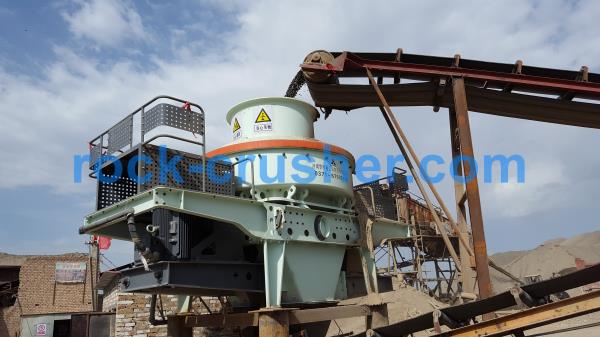
Creating Artificial Sand:
The process of manufacturing artificial sand involves breaking down large chunks of rock into smaller fragments. These rocks can be of various types such as granite, basalt, limestone, or quartz. The rocks are then fed into a crushing machine that uses high-speed rotating blades to pulverize them into fine particles. This crushed rock material is then refined to produce artificial sand with the desired size and characteristics.
Advantages of Artificial Sand:
1. Consistency and Quality: Unlike natural sand, which can vary in terms of composition and quality depending on its source, artificial sand offers a higher level of consistency. This uniformity ensures that the final product meets specific construction requirements, such as strength and durability.
2. Availability: With the increasing demand for sand in construction projects, the availability of natural sand is becoming scarce. By utilizing rock resources, artificial sand provides a reliable and sustainable solution to meet the growing demand without depleting natural resources.
3. Shape and Gradation Control: The process of creating artificial sand allows for greater control over shape and gradation. Natural sand particles tend to be round or smooth due to water erosion, while artificial sand can be designed to have angular and rough edges. These specific characteristics make artificial sand ideal for concrete mixes, providing better cohesion and reducing the need for excessive cement.
4. Eco-Friendly Alternative: The extraction of natural sand from riverbeds and beaches can cause significant damage to the environment and aquatic ecosystems. By using artificial sand, we mitigate the negative impacts of sand mining, preserving the delicate balance of our natural habitats.
Applications in the Construction Industry:
1. Concrete Production: Concrete is the backbone of most construction projects, and artificial sand plays a crucial role in manufacturing high-quality concrete. Its consistent and controllable characteristics make it an excellent choice for both structural and architectural concrete applications.
2. Road Construction: Artificial sand can also be used in road construction projects. Its strong interlocking properties and improved load-bearing capacity make it a reliable substitute for traditional sand, enhancing the durability and lifespan of road surfaces.
3. Landscaping and Recreation: The aesthetic appeal and versatility of artificial sand make it an ideal choice for landscaping projects. From golf courses to playgrounds, artificial sand can create a visually pleasing and safe environment for various recreational activities.
4. Glass Manufacturing: The consistent size and shape of artificial sand particles make it a valuable ingredient in the production of glass. By replacing natural sand with artificial sand in the manufacturing process, the quality and clarity of glass products can be improved.
Artificial sand, made from crushing rocks and stones, is an outstanding innovation that has the potential to transform the construction industry. With its advantages of consistent quality, availability, and shape control, artificial sand has emerged as a sustainable alternative to natural sand. As we embrace this technological advancement, the construction industry can significantly reduce its environmental footprint while delivering high-quality and durable infrastructure.