
When it comes to construction materials, one of the most important factors to consider is compressive strength. Compressive strength is a key property that determines the ability of a material to withstand loads without breaking or deforming. In the world of rocks and minerals, basalt is known for its high compressive strength, making it a popular choice for a variety of construction and engineering applications.
Basalt is a common extrusive igneous rock formed from the rapid cooling of lava at the Earth's surface. It is characterized by its fine-grained texture and dark color, making it a visually striking material for architectural and decorative purposes. However, it is the impressive strength of basalt that truly sets it apart as a building material.
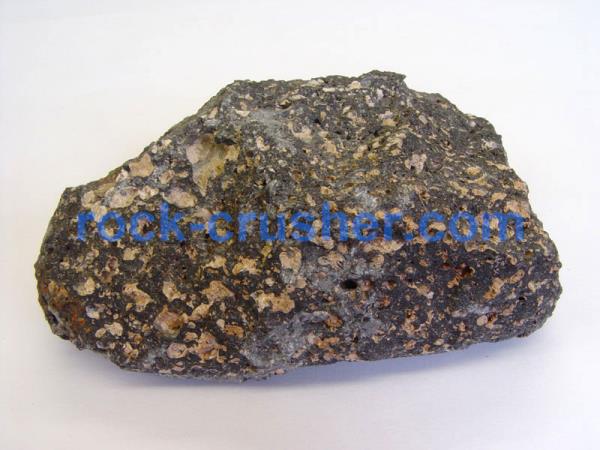
The compressive strength of basalt rock typically falls in the range of 200-350 MPa (megapascals). To put this into perspective, typical values for other common rocks are around 50-80 MPa for limestone and 100-300 MPa for granite. This means that basalt is significantly stronger than many other rock types, making it an ideal choice for applications where high durability and load-bearing capacity are required.
One of the key reasons for the high compressive strength of basalt is its mineral composition. Basalt is primarily composed of plagioclase and pyroxene minerals, which are known for their toughness and resistance to deformation. This mineral composition gives basalt its exceptional strength and durability, making it a reliable choice for structures that need to withstand heavy loads and harsh environmental conditions.
In construction, basalt is commonly used in the form of crushed stone or aggregate for concrete and asphalt mixtures. The high compressive strength of basalt aggregate helps to improve the overall strength and durability of these materials, making them suitable for a wide range of construction projects, from road construction to building foundations.
In addition to its use in construction, basalt's high compressive strength also makes it a popular material for landscaping and decorative applications. Basalt rocks are commonly used for retaining walls, landscaping features, and decorative elements in gardens and outdoor spaces. Their strength and durability ensure that they can withstand the elements and remain attractive for years to come.
Overall, the high compressive strength of basalt rock makes it a versatile and reliable material for a wide range of construction and engineering applications. Its toughness, durability, and resistance to deformation set it apart from many other rock types, making it a top choice for projects that require strength and stability.