
Rocks, the solid mineral materials that make up the Earth’s crust, undergo numerous transformations both in nature and through human intervention. Two fundamental processes that affect rocks significantly are crushing and melting. Understanding these processes is essential not only for geologists but also for industries like mining, construction, and materials science.
Crushing Rock: Breaking Down the Earth’s Building Blocks
Crushing rock involves breaking larger rocks into smaller pieces or even into fine particles. In nature, this process occurs through weathering and erosion, where rocks are subjected to physical forces such as temperature changes, water flow, wind, and ice. These forces crack, chip, and grind rocks over time, turning boulders into sand grains and soil particles. This natural crushing process plays a vital role in forming soil, shaping landscapes, and transporting minerals.
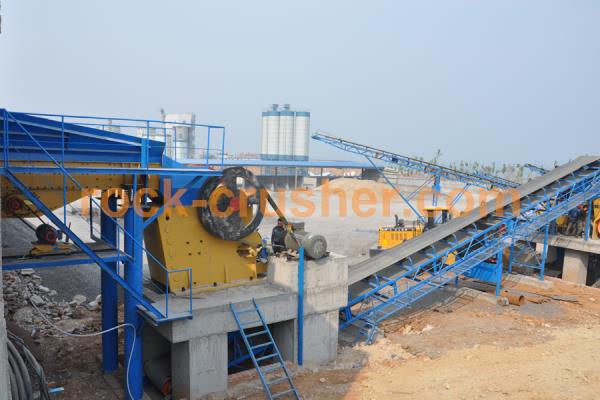
Human-made rock crushing is more controlled and is primarily used in mining, construction, and manufacturing. Crushing machines or crushers are employed to reduce large rocks into smaller aggregates used for road construction, concrete production, and railway ballast. In mining, crushed rocks are processed to extract valuable minerals like gold, iron, and copper. Crushers come in various types, including jaw crushers, cone crushers, and impact crushers, each designed to handle rocks of different hardness and sizes.
Melting Rock: The Creation of Magma and Lava
Melting rock is a more intense process that occurs naturally deep inside the Earth where temperatures rise significantly. When rock is subjected to high heat, it melts and becomes magma, a molten rock that can move through the Earth’s crust. This magma may cool down and solidify underground, forming igneous rocks like granite. Alternatively, it can erupt onto the Earth’s surface as lava during volcanic activity, cooling rapidly to form basalt and other volcanic rocks.
The melting of rocks is driven by heat from the Earth’s mantle and core, pressure changes, and the presence of fluids that lower the melting point of minerals. This process is fundamental to the rock cycle, constantly recycling materials and forming new rocks that shape the Earth’s surface.
Industrial Melting of Rock
Humans also mimic the melting process in various industries. For example, in metallurgy, ores are heated to extract metals in their molten form. Glass production involves melting silica-rich sand and additives to create molten glass before cooling it into usable products. Similarly, the production of ceramics and refractories requires the melting and solidification of various mineral compounds.
The Interplay of Crushing and Melting in Earth Sciences
Crushing and melting are both critical in shaping the composition and texture of rocks. Through the rock cycle, sedimentary rocks formed from crushed rock debris can be buried and subjected to heat to melt partially and recrystallize, forming metamorphic and igneous rocks. These processes signify the dynamic and ever-changing nature of our planet.
ConclusionCrushing and melting rock are natural phenomena that have been harnessed and understood to benefit humanity. From building infrastructure to understanding volcanic activity, these processes are central to both Earth sciences and industrial applications. Studying them provides insights into the history of the planet and the vast resources it offers.