
Iron ore is a crucial raw material for the global steel industry, and thus, its mining and subsequent processing have immense economic significance. However, the extraction of iron ore from vast deposits entails extensive crushing of the rock containing the ore. In this article, we delve into the process of crushing iron ore-bearing rock and explore how sustainable mining practices can be fostered in this crucial aspect of the mining industry.
Iron ore crushing involves a series of mechanical processes designed to reduce the size of the ore particles and expose the valuable minerals. The extraction method used ultimately depends on the hardness and nature of the rock, as well as the desired final product size and shape. One of the common methods employed is crushing the iron ore bearing rock with heavy hammers or jaws.
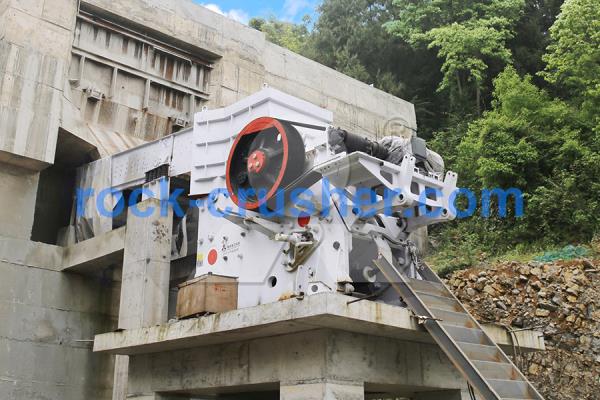
Crushing Techniques:
1. Jaw Crushers: Jaw crushers are commonly used in primary crushing stages and are known for their robustness and reliability. They consist of a fixed plate and a movable plate, which exerts pressure on the rock, breaking it down into smaller fragments. Jaw crushers can handle large chunks of rock efficiently, making them suitable for primary crushing operations.
2. Cone Crushers: Cone crushers are utilized for secondary and tertiary crushing stages. These machines have a cone-shaped crushing head, which gyrates, compresses, and crushes the rock against a fixed surface. Cone crushers provide fine and consistent product size reduction, facilitating further downstream processing.
Sustainable Mining Practices:
Mining companies worldwide are increasingly adopting sustainable practices to minimize environmental impacts and ensure the longevity of their operations. While crushing iron ore-bearing rock is an essential step in the mining process, certain strategies can be implemented to promote sustainability:
1. Energy Efficiency: Mining operations consume substantial energy, particularly during the crushing process. Investing in energy-efficient crushers and using advanced technologies, such as high-pressure grinding rolls (HPGR), can minimize energy consumption and reduce greenhouse gas emissions.
2. Water Conservation: Water is a precious resource, and its responsible usage is vital in mining operations. Implementing recycling systems and optimizing crushing circuits to minimize water usage can help conserve this valuable resource.
3. Dust Control: Crushing iron ore bearing rock can generate significant amounts of dust, which can have detrimental effects on the environment and human health. Employing efficient dust suppression techniques, such as the use of water sprays or fogging systems, can help mitigate dust emissions, ensuring the wellbeing of workers and surrounding communities.
4. Rehabilitation and Land Reclamation: Mining companies should prioritize the restoration and rehabilitation of mined-out areas to promote sustainable land use. Implementing reclamation plans, such as re-vegetation or land contouring, can help restore biodiversity, prevent erosion, and enhance the visual aesthetics of the landscape.
Crushing iron ore bearing rock is an integral and challenging step in the mining industry, with its significance stretching beyond steel production. As the industry evolves, it becomes increasingly important for mining companies to adopt sustainable practices to minimize environmental impacts and ensure the long-term sustainability of their operations. By prioritizing energy efficiency, water conservation, dust control, and land rehabilitation, mining companies can foster sustainable mining practices and contribute to a greener and more responsible industry.