
In recent years, the quest for sustainable construction materials has led to an innovative solution: the rock sand maker. As environmental concerns continue to shape the construction industry, these machines are emerging as key players in the transformation of raw materials into usable, eco-friendly alternatives.
At its core, a rock sand maker is a type of machinery designed to crush and grind hard materials like rocks into finer particles—essentially creating sand from stone. This process is crucial in construction where sand serves as a primary material for concrete, asphalt, and various building applications.
The mechanism operates by using a series of rotating hammers or impactors to crush the rocks, followed by a screening process that ensures the creation of uniform sand sizes. Ideally, rock sand makers yield a high output while minimizing energy consumption, positioning themselves as efficient and scalable options for construction companies.
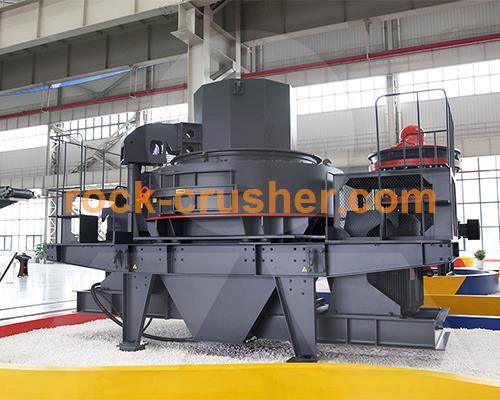
One of the most compelling reasons to utilize rock sand is its sustainability. Traditional sand extraction practices, especially from riverbeds and beaches, can lead to significant environmental issues, including habitat destruction and erosion. By opting for rock sand production, construction companies can reclaim this natural environment and reduce their carbon footprint.
Moreover, rock sand tends to be of higher quality than traditional sand. It often contains fewer impurities and offers better performance characteristics in concrete applications. The production process allows for greater control over the sand’s composition, ensuring that it meets specific standards required by various construction projects.
The economic appeal of rock sand makers cannot be understated. The initial investment in machinery may seem significant, but companies can benefit from lower operational costs in the long run. Rock sand production tends to be less expensive than sourcing and transporting traditional sand. Additionally, having a rock sand maker on-site eliminates the supply chain uncertainties associated with traditional sand procurement.
Many projects find that they can significantly cut down on their sourcing expenses and, in some cases, even transform wasted space into profitable production sites. This can be particularly advantageous for projects situated in remote areas where traditional sand sourcing is cost-prohibitive.
While the benefits are clear, the transition to using rock sand makers does come with challenges. Some manufacturers may need to update their equipment or retrain personnel to operate these advanced machines efficiently. Furthermore, market acceptance can be slow as building codes and regulations often favor established materials.
However, innovators in the industry are rising to the challenge. They are focusing on improving rock sand production technologies, making them more accessible and efficient. Research into the properties of rock sand is also ongoing, with scientists investigating how to optimize it for various applications.
As the construction industry faces increased pressure to embrace eco-friendly practices, rock sand makers represent a crucial step forward. They offer a reliable, sustainable alternative to traditional sand and pave the way for greener construction techniques.
As businesses lean more towards sustainability, investing in rock sand makers is not just a smart business decision—it's also a commitment to a healthier planet. Embrace innovation, and let's build our future on sustainable foundations!