
When it comes to the Earth's geological composition, rocks and stones are two terms that often get used interchangeably. However, to a geologist, these terms hold distinct meanings. In this article, we will delve into the differences between rocks and stones, shedding light on their geological characteristics and exploring the significance behind their classification.
1. Composition and Formation:
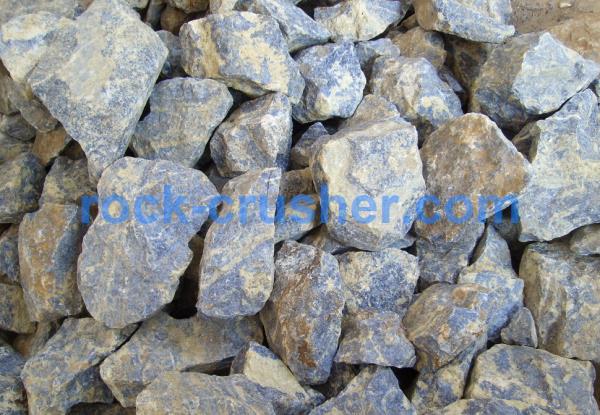
Rocks are naturally occurring solid aggregates of minerals. They are formed through a variety of processes, such as cooling and solidification of molten material (igneous rocks), compaction and cementation of sediments (sedimentary rocks), or transformation due to heat and pressure (metamorphic rocks). On the other hand, stones are smaller pieces of rock, often used for construction or decorative purposes. Stones can either be hard, like granite or marble, or softer, like sandstone or limestone, and they are typically obtained by breaking down larger rocks.
2. Size and Shape:
One notable difference between rocks and stones lies in their size and shape. Rocks are larger and can vary greatly in size, ranging from tiny pebbles to massive boulders. Stones, on the other hand, are smaller and more manageable. They are often rounded or angular in shape, having been shaped by natural forces like water erosion or human activities such as mining and quarrying.
3. Practical Uses:
Rocks and stones find diverse applications in various aspects of human life. Rocks are essential in construction, providing the foundation for buildings and infrastructure. They are also used for road aggregate, landscaping, and in the production of materials like cement and asphalt. Stones, being smaller and easier to handle, are commonly used in landscaping, pathways, and decorative purposes. They are popular choices for countertops, flooring, and façades due to their aesthetic appeal and durability.
4. Geological Significance:
From a geological perspective, the classification of rocks and stones serves a crucial purpose. Rocks give us essential information about the Earth's history and processes. By studying their composition, texture, and mineralogy, geologists can determine the conditions under which they were formed and unravel the geological events that took place over millions of years. On the other hand, stones, being fragments or smaller pieces of rock, can provide insights into the weathering and erosion processes that occur on the Earth's surface. They also offer clues about ancient landforms and geological events.
While rocks and stones are often used interchangeably in everyday language, they carry distinct meanings in the realm of geology. Rocks are larger, naturally occurring aggregates of minerals, while stones refer to smaller rock fragments that have been broken down. Recognizing these differences is essential for geologists, as well as for those who work with these materials in construction, landscaping, and decorative industries.
Understanding the composition, formation, size, shape, and practical uses of rocks and stones enables us to appreciate their significance in both geological and human contexts. So, next time you come across a rock or stone, take a moment to ponder its origins and the remarkable geological story it holds.