
Rock crushers stand as the silent giants of the mining and construction industries, tirelessly crushing tons of raw materials into smaller, more manageable pieces. Behind their robust exteriors lie intricate systems of equipment, each playing a crucial role in the crushing process. Today, let's peel back the layers and explore the machinery that powers these behemoths.
At the heart of every rock crusher is its crushing equipment, designed to break down large rocks into smaller fragments. Primary crushers kick off the process by initially breaking down the raw material into more manageable sizes. This primary stage often employs jaw crushers, which exert immense pressure to crush the material against a fixed surface. Their sturdy construction and high efficiency make them indispensable in the initial crushing phase.
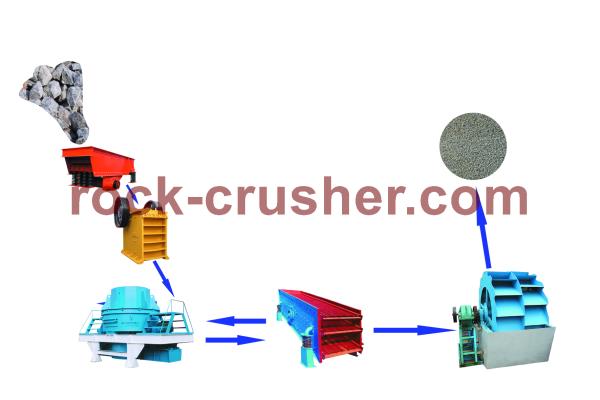
Following the primary crushing stage, secondary crushers take over to further reduce the size of the material. These crushers, which include cone crushers and impact crushers, refine the material to the desired size and shape. Cone crushers operate by squeezing the material between an eccentrically rotating mantle and a concave, while impact crushers utilize the principle of impact to crush the material. Each type of secondary crusher offers unique advantages depending on the specific requirements of the operation.
In addition to crushers, rock crushing equipment encompasses a variety of auxiliary machinery essential for optimal performance. Vibrating feeders ensure a steady flow of material to the crushers, preventing clogs and maximizing efficiency. Meanwhile, conveyor belts transport the crushed material away from the crushers for further processing or storage.
The efficiency and effectiveness of rock crushers rely heavily on the precision of their components. From bearings and shafts to gears and motors, every part must work in harmony to ensure smooth operation. Regular maintenance and timely replacement of worn parts are crucial to prevent costly downtime and ensure the longevity of the equipment.
Modern advancements in technology have revolutionized the design and capabilities of rock crushing equipment. Automation and remote monitoring systems allow operators to oversee the entire crushing process from a centralized control room, optimizing performance and ensuring safety. Furthermore, innovations in materials and manufacturing techniques have led to the development of more durable and efficient components, improving overall productivity and reducing operating costs.
Environmental considerations also play a significant role in the design of rock crushing equipment. Dust suppression systems help mitigate the release of harmful particulates into the atmosphere, promoting a safer and more sustainable working environment. Additionally, noise reduction measures minimize the impact of crushing operations on surrounding communities, fostering positive relations with local residents.
Therefore, the equipment in rock crushers represents the backbone of the mining and construction industries, facilitating the extraction and processing of essential raw materials. From primary crushers to auxiliary machinery, each component plays a vital role in the crushing process, ensuring efficiency, reliability, and safety. As technology continues to evolve, we can expect further advancements in rock crushing equipment, driving productivity and sustainability in these crucial industries.