
Crushing plants play a crucial role in transforming large rocks into smaller sizes, which are then used as raw materials in various construction projects. These plants efficiently break down solid rock formations and convert them into high-quality sand, a vital ingredient in the production of concrete, asphalt, and other essential construction materials. In this article, we will explore the significance of rock to sand crushing plants and their crucial role in the construction industry.
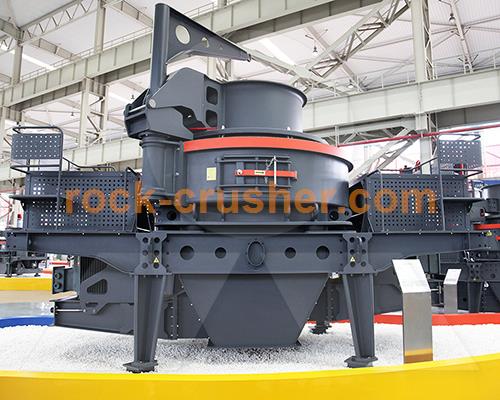
Rock Crushing Process:
The first step in the process of transforming rocks into sand involves the use of powerful machinery. The rock is initially blasted and then fed into a jaw crusher, which breaks it down into smaller pieces. From there, the rock is further crushed into even smaller sizes using cone crushers or impact crushers. The resulting material passes through several screening stages to remove any unwanted debris or oversized particles.
Importance of Sand Production:
Sand is a fundamental component in construction activities, serving as a key ingredient in the production of concrete, asphalt, mortar, and other construction materials. The ability to transform raw rocks into high-quality sand is of utmost importance in the construction industry, as it ensures the availability of essential materials for infrastructure development, housing, and various civil engineering projects.
Aggregate Processing:
Crushing plants not only produce sand but also play a vital role in processing aggregates. Aggregates consist of crushed stone, gravel, and sand, which are used as key ingredients in the production of concrete and asphalt. By processing rocks into different sizes, crushing plants produce aggregates of various particle sizes, allowing for precise control and customization according to project requirements.
Environmental Considerations:
While the process of rock to sand conversion is crucial for construction purposes, it is essential to be mindful of its environmental impact. The operation of crushing plants can generate a significant amount of dust, noise, and vibrations. However, modern, well-designed plants are equipped with advanced dust suppression systems, noise reduction technologies, and efficient screening processes, minimizing the negative environmental effects.
Additionally, the responsible sourcing of rocks for crushing plants is crucial to maintain environmental sustainability. Ensuring that the rocks are obtained from licensed quarries and adhering to strict environmental regulations helps minimize the impact on local ecosystems and protects natural resources.
Rock to sand crushing plants are at the forefront of transforming raw materials into essential construction components. By efficiently breaking down solid rocks, these plants provide the construction industry with a steady supply of high-quality sand and aggregates. Their contributions are vital in building resilient infrastructure, developing housing projects, and driving economic growth.
As environmental concerns continue to grow, it is essential for crushing plants to adopt sustainable practices, such as employing advanced dust suppression techniques and sourcing rocks responsibly. With technological advancements and a commitment to environmental stewardship, the transformation of rocks into sand will continue to play a crucial role in meeting the ever-growing demands of the construction industry.