
Gold mining has fascinated humanity for centuries, driving explorers and prospectors to remote corners of the globe in search of this precious metal. One of the most crucial steps in the gold extraction process is crushing the rock. This stage is essential to liberate gold particles embedded within ore, enabling further extraction and refining. But what exactly does gold mining crushing entail? Let’s delve into the details of this process and understand its significance in gold mining.
Gold is typically found in ore, a rock that contains sufficient minerals with valuable metals like gold. Since gold particles are often microscopic or embedded deep within the ore matrix, the ore must be crushed to break it down into smaller pieces. This increases the surface area and exposes gold particles, making them accessible for extraction techniques such as gravity separation, flotation, or stone leaching.
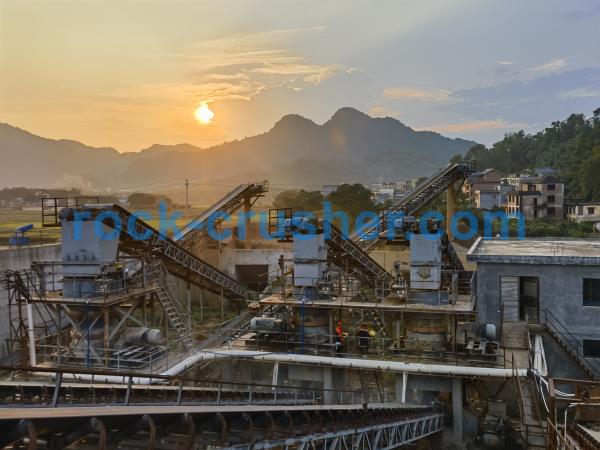
The Crushing Process – From Large Rocks to Fine Ore
The crushing of gold-bearing rock generally follows two primary stages: primary crushing and secondary (or tertiary) crushing.
1. Primary Crushing: The extracted ore is usually transported to a primary crusher, typically a jaw crusher or gyratory crusher. Here, large chunks of rock are reduced to more manageable sizes, generally around 6-12 inches. This step is crucial because it facilitates easier handling and processing in subsequent stages.
2. Secondary and Tertiary Crushing: After primary crushing, the ore undergoes further size reduction in crushers such as cone crushers or impact crushers. Secondary crushing refines the ore particles further, often to less than 2 inches. Tertiary crushing can reduce the size even smaller, preparing the ore for milling processes.
Equipment Used in Gold Ore Crushing
- Jaw Crushers: Widely used for primary crushing, jaw crushers use powerful compressive force to break down large rocks.
- Gyratory Crushers: Similar to jaw crushers but with a conical head, suitable for handling large ore volumes.
- Cone Crushers: Used in secondary or tertiary crushing, these crushers break down materials further through compression.
- Impact Crushers: These crushers use impact force to break rocks, suitable for softer ores and producing more uniform particle sizes.
After Crushing – Grinding and Further Processing
Once the ore is crushed, it is often ground into an even finer powder using mills such as ball mills or SAG (semi-autogenous grinding) mills. The finely ground ore can then undergo gold extraction methods. Crushing is fundamental to the entire process because ineffective crushing can lead to poor gold recovery and operational inefficiencies.
Environmental and Safety Considerations
Gold mining and rock crushing involve heavy machinery, dust generation, and energy consumption. Modern mining operations implement dust control measures, noise reduction technologies, and energy-efficient equipment to minimize environmental impact. Worker safety is also prioritized through proper training and protective gear.
Crushing the rock is a vital step in gold mining, transforming bulky ore into manageable, fine materials ready for gold extraction. It combines engineering, geology, and mining technology to unlock the valuable hidden within the earth. Whether you’re a mining professional or a curious enthusiast, understanding this stage offers insight into the complex journey of gold from rock to refined metal.