
In the realm of mineral extraction and construction, the ability to grind hard rock efficiently is paramount. Whether in mining operations or civil engineering projects, the process of grinding hard rock demands precision, power, and reliability from machinery. Choosing the right grinding machine can significantly impact productivity, cost-effectiveness, and overall project success.
Hard rock, defined as any solid rock that is not naturally degraded, poses unique challenges due to its toughness and abrasiveness. Materials such as granite, basalt, and quartzite are common examples encountered in mining and construction. Grinding these materials requires specialized equipment capable of withstanding high pressures and forces without compromising performance.
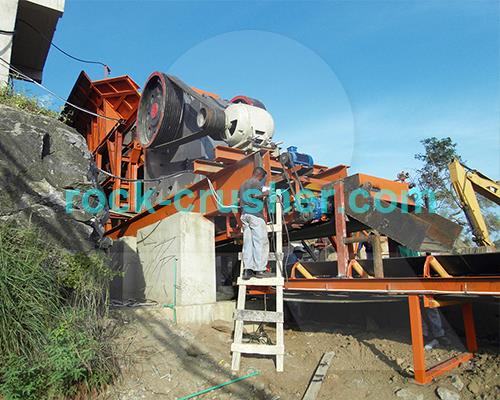
Types of Grinding Machines
1. Ball Mills: Traditionally used in mining operations, ball mills utilize steel balls in a rotating drum to crush the material into fine particles. They are effective for primary grinding and reducing large chunks of hard rock.
2. Rod Mills: Similar to ball mills but with steel rods instead of balls, rod mills are better suited for coarse grinding. They are often used when a finer product is not required and can handle tougher ore.
3. Vertical Roller Mills (VRM): VRMs are increasingly popular in both mining and cement industries for their ability to grind materials with higher efficiency and lower energy consumption compared to traditional mills.
4. High Pressure Grinding Rolls (HPGR): HPGR machines exert immense pressure between two counter-rotating rolls, effectively crushing the material. They are known for their energy efficiency and ability to produce a high proportion of fines.
5. Crushers and Pulverizers: For initial size reduction of hard rock, crushers and pulverizers are essential. They break down large pieces into smaller, manageable fragments suitable for further grinding processes.
Factors to Consider When Choosing a Grinding Machine
1. Material Hardness: Different grinding machines are designed to handle varying degrees of hardness. Ensure the machine selected can effectively grind the specific type of hard rock encountered.
2. Capacity Requirements: Consider the required throughput and particle size distribution. Select a machine with sufficient capacity to meet production demands without overloading.
3. Energy Efficiency: Opt for machines that offer high efficiency to minimize operational costs, especially in energy-intensive industries like mining.
4. Maintenance and Serviceability: Availability of spare parts and ease of maintenance are crucial for minimizing downtime and ensuring continuous operation.
Case Studies and Applications
In mining, the choice of grinding machine impacts the entire extraction process. For instance, in gold mining operations, where hard rock ores require fine grinding to liberate valuable minerals, choosing a VRM or HPGR over traditional ball mills can lead to significant improvements in recovery rates and operational efficiency.
In civil engineering, the ability to grind hard rock is essential for tunneling projects. Tunnel boring machines equipped with advanced grinding capabilities ensure smooth excavation through challenging geological formations, reducing project timelines and costs.
Mastering hard rock grinding requires a strategic approach to machine selection. By understanding the specific requirements of the material, operational needs, and environmental factors, engineers and project managers can choose the right grinding machine for enhanced performance and efficiency. Whether in mining, construction, or civil engineering, the right equipment ensures smoother operations and improved project outcomes.