
In various industries, the process of grinding rocks is essential for a multitude of purposes, including mineral extraction, construction materials production, and geological research. With the advancement of technology, grinding machines have evolved to become highly efficient and indispensable tools for rock processing. In this article, we will explore the various types of grinding machines used for rocks and delve into their significant advantages.
Types of Grinding Machines for Rocks:
1. Ball Mills:
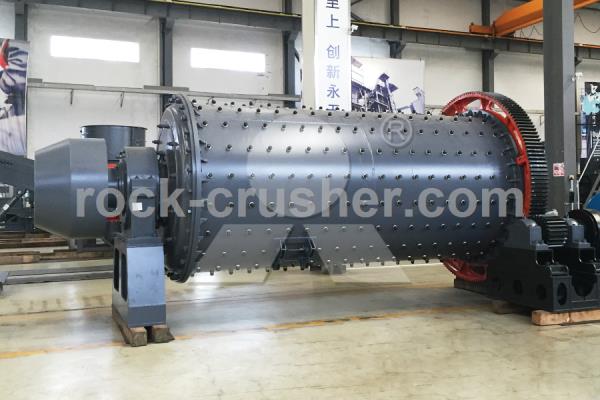
Ball mills are commonly used for grinding rocks into fine powders. Comprising rotating cylinders filled with grinding media (such as steel balls), these machines exert force upon the rocks, causing them to break and cascade, resulting in further size reduction. Ball mills are widely used in the mining industry and are suitable for both dry and wet grinding processes.
2. Impact Crushers:
Designed to handle large-sized rocks, impact crushers utilize a high-speed rotor and anvils or hammers to shatter rocks, enabling size reduction. These machines deliver a high level of force, making them ideal for primary and secondary rock crushing processes. Impact crushers are available in various configurations to suit different rock types and desired end products.
3. Vibratory Mills:
Vibratory mills employ vibration to grind rocks, utilizing a circular motion that imparts energy to the grinding media. As the rocks and media collide, particle size reduction occurs. Vibratory mills are particularly useful in obtaining fine and uniform-sized rock powders, making them suitable for geological research and sample preparation in laboratories.
Advantages of Grinding Machines for Rocks:
1. Efficient Size Reduction:
Grinding machines ensure efficient size reduction of rocks, enabling the production of various granular materials required in numerous applications. By breaking down rocks into smaller fragments, grinding machines facilitate easier handling and processing of materials.
2. Versatility:
Different types of grinding machines can be employed depending on the specific requirements of the rock processing task. From primary crushing to fine powder production, grinding machines offer versatile options to adapt to a wide range of applications.
3. Enhanced Productivity:
By employing grinding machines for rock processing, industries can significantly enhance their productivity. High-speed grinding processes allow for the rapid reduction of rocks, ensuring a steady supply of granular materials at an accelerated pace.
4. Precision and Consistency:
Grinding machines are adept at producing consistent and uniform-sized particles, making them invaluable tools in various industries. The ability to control the final product's particle size and distribution ensures product quality and meets precise specifications.
Grinding machines have revolutionized rock processing, offering a combination of efficiency, versatility, and precision. From mining operations to geological research, these machines play a vital role in various industries that rely on the size reduction of rocks. Advances in technology continue to enhance the capabilities of grinding machines, providing further opportunities for innovation and improving the overall efficiency of rock processing.
Whether it's achieving finer powders for mineral extraction or crushing rocks for construction materials, grinding machines are indispensable tools for ensuring the smooth operation of diverse industries. Embracing these machines' advantages enables businesses to streamline their processes, increases productivity, and delivers high-quality products.