
In the heart of many developing countries, artisanal mining is a way of life for thousands of individuals seeking to make a living. These hardworking miners often operate in challenging conditions, utilizing rudimentary tools and techniques to extract valuable minerals from the earth. Among the various forms of artisanal mining, hard rock mining stands out as one of the most labor-intensive and hazardous methods of extraction.
Hard rock artisanal mining involves the extraction of minerals such as gold, silver, copper, and other precious metals from rock formations deep underground. Unlike surface mining, which involves the removal of soil and rock to access mineral deposits, hard rock mining requires miners to dig tunnels and shafts into solid rock to reach the ore. This process is not only physically demanding but also poses significant safety risks, as the unstable nature of rock formations can lead to cave-ins and collapses.
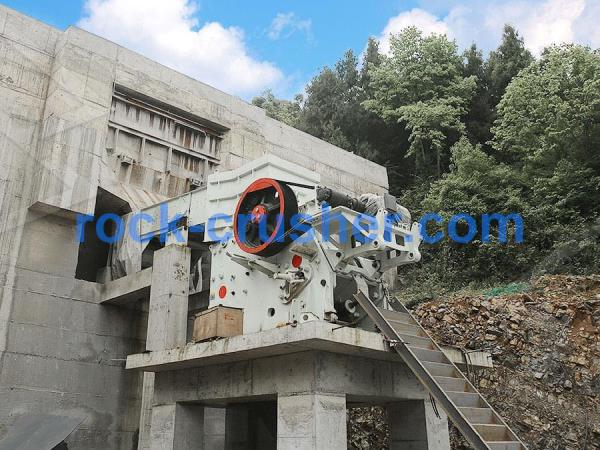
One of the key challenges faced by hard rock artisanal miners is the lack of access to modern mining equipment and technology. Many miners rely on basic tools such as picks, shovels, and hammer drills to extract ore from the rock, resulting in low productivity and efficiency. Without the proper machinery and safety gear, miners are exposed to a range of health and safety hazards, including respiratory problems from dust inhalation and injuries from falling rocks.
Despite these challenges, hard rock artisanal mining plays a crucial role in the economies of many developing countries, providing employment and income for thousands of individuals and their families. In regions where formal employment opportunities are limited, artisanal mining offers a way for people to make a living and support themselves. However, the lack of regulation and oversight in the sector often leads to environmental degradation, exploitation of workers, and conflict over mineral resources.
To address these issues, governments and non-governmental organizations are working to formalize the artisanal mining sector and improve working conditions for miners. By providing training, technical support, and access to financing, these initiatives aim to enhance the productivity and safety of hard rock artisanal mining operations. Additionally, efforts are being made to promote sustainable mining practices that minimize the environmental impact of mining activities and ensure fair wages and working conditions for miners.
Overall, hard rock artisanal mining is a challenging yet vital sector that provides livelihoods for thousands of individuals in developing countries. While the sector faces numerous challenges, including safety risks, lack of equipment, and environmental concerns, efforts are being made to improve working conditions and promote sustainable mining practices. By supporting the development of the artisanal mining sector, we can help empower miners, protect the environment, and ensure that mineral resources are extracted in a responsible and ethical manner.