
In the world of construction, excavation, and mining, having the right equipment is crucial to guaranteeing success. When it comes to handling the toughest materials like hard rock, there's one machine that stands out for its exceptional power and reliability: the hard rock crushing machine. In this article, we will delve into the world of these formidable machines and explore their impact on the industries they serve.
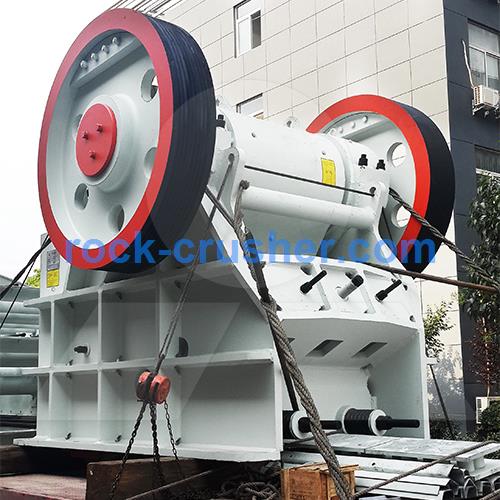
Unyielding Power and Versatility:
Hard rock crushing machines are specially designed to pulverize solid rock formations with high strength and density. These machines use mechanical force and immense pressure to break down rocks into smaller, more manageable sizes for various applications. Whether it's extracting valuable minerals or preparing construction materials, hard rock crushers are essential tools for efficiency and productivity.
Efficient Crushing Mechanisms:
At the core of hard rock crushing machines is the crushing mechanism, which efficiently applies force to break rock particles. Hydraulic or mechanical pressure is generated to bring two surfaces together, resulting in the fracturing of the rock. This specialized equipment utilizes powerful jaws, hammers, or abrasive surfaces to pulverize rocks into desirable sizes, ensuring quicker processing times and reduced manual labor.
Types of Hard Rock Crushing Machines:
1. Jaw Crushers: One of the most commonly used hard rock crushing machines, jaw crushers exert force by moving jaws in a forward and backward motion. These machines accommodate large-sized rocks and are suitable for primary and secondary crushing operations.
2. Cone Crushers: Perfect for secondary and tertiary crushing, cone crushers rely on a rotating mantle within a conical chamber to gradually compress the rocks. This process allows for finer output sizes, making them ideal for preparing construction aggregates or finely ground minerals.
3. Impact Crushers: Known for their versatility, impact crushers harness the power of rapid collision between rocks and heavy-duty blow bars. These machines are effective in crushing a wide range of hard materials, making them indispensable in the mining and recycling industries.
Applications and Benefits:
1. Mining Industry: Hard rock crushers play a pivotal role in the mining sector. They are used to break down large rock formations, making it easier to access and extract valuable minerals deep within the earth's crust. Their efficiency leads to faster production rates and reduced downtime, ultimately increasing profit margins.
2. Construction Industry: In the construction field, hard rock crushing machines are employed to prepare construction materials such as concrete, asphalt, and aggregates. By breaking rock formations into smaller pieces, these machines ensure the consistent quality of materials, resulting in more durable structures.
3. Recycling and Demolition: Hard rock crushing machines are also essential in recycling and demolition projects. They efficiently process and crush leftover concrete, bricks, and other durable materials, transforming them into reusable aggregates for new construction projects.
The development of hard rock crushing machines has revolutionized the world of excavating, mining, and construction. These powerful tools have made it easier to handle the toughest rock formations, resulting in increased productivity and profitability. Their versatility and efficiency have ensured their indispensability in various industries.
As technology continues to advance, hard rock crushing machines are likely to become even more efficient, enabling the extraction of valuable resources in previously inaccessible areas. So, the next time you encounter a seemingly impenetrable rock formation, remember that hard rock crushing machines are there to crush it – and help you achieve your goals in the process!