
When it comes to rock crushing operations, several factors can influence the capacity of a rock crusher, including the hardness of the rocks, the type of crusher being used, and the size and shape of the rocks. However, one often overlooked factor that can significantly affect crusher capacity is the bulk density of the rocks being crushed. In this article, we will explore how bulk density impacts rock crusher capacity and discuss the implications it has on the overall efficiency of rock crushing operations.
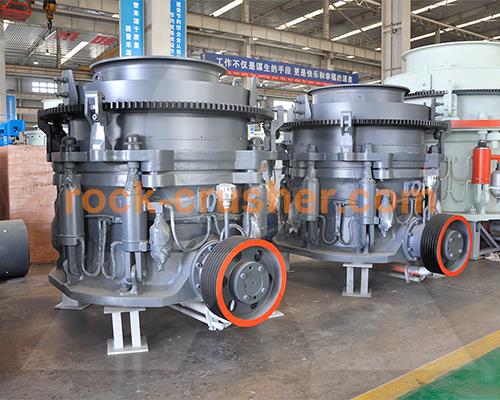
Understanding Bulk Density
Bulk density refers to the weight of a given volume of material, typically expressed in kilograms per cubic meter (kg/m³) or pounds per cubic foot (lb/ft³). It is an important parameter used to describe the physical properties of various materials, including rocks. In the context of rock crushing, bulk density represents the compactness of the material and its ability to pack together.
Impact on Crusher Capacity
Bulk density plays a crucial role in determining the capacity of a rock crusher. In simple terms, when the bulk density of rocks is higher, it means that there is less space between individual particles, resulting in a more compacted material. This higher density material requires more energy to break, potentially limiting the crusher's capacity.
1. Crushing Efficiency: A higher bulk density of rocks can impact the efficiency of the crushing process. Dense rocks require more force to be broken down and crushed, which can result in increased wear on the crusher components and decreased throughput. This, in turn, can lead to reduced processing capacity and higher operational costs.
2. Power Consumption: The increased force needed to crush denser rocks directly affects the power consumption of the crusher. As more energy is required to break down materials, the crusher's motor must work harder, ultimately leading to higher power consumption. This can result in increased electricity costs and reduced overall operational efficiency.
3. Wear and Tear on Crusher Components: The compacted nature of high-density rocks can put additional strain on crusher components such as the jaws, liners, and hammers. This increased stress can lead to accelerated wear, requiring more frequent maintenance and replacement of these parts. The resulting downtime for repairs can hinder production and decrease the overall capacity of the rock crusher.
4. Optimal Feed Size: Bulk density also affects the optimal feed size for a rock crusher. Higher-density rocks may require smaller feed sizes to ensure efficient and effective crushing. Adjusting the feed size to accommodate the specific bulk density of the rocks being crushed can help maintain optimal crusher performance and maximize the capacity.
Bulk density is a critical factor that significantly impacts the capacity and efficiency of rock crushers. Higher bulk density of rocks can lead to decreased crushing efficiency, increased power consumption, accelerated wear and tear on crusher components, and the need for smaller feed sizes. Rock crushing operations must consider the bulk density of the rocks they are processing to ensure optimal crusher performance, increased production capacity, and reduced operational costs.
To optimize rock crushing operations, it is essential to evaluate and monitor the bulk density of the rocks being crushed. By doing so, operators can adjust factors such as feed size, crusher settings, and maintenance schedules to ensure maximum efficiency and output. Additionally, utilizing advanced technologies and equipment designed to handle high-density materials can further enhance crusher capacity and overall operational productivity.