
Gypsum is a soft sulfate mineral composed of calcium sulfate dihydrate. It is widely used in construction (particularly in drywall), agriculture as a soil conditioner, and various industrial applications. Before it can be used in these applications, gypsum rock needs to be crushed into smaller, manageable pieces or fine powder. Crushing gypsum rock is a crucial initial step that ensures the material can be processed efficiently and uniformly.
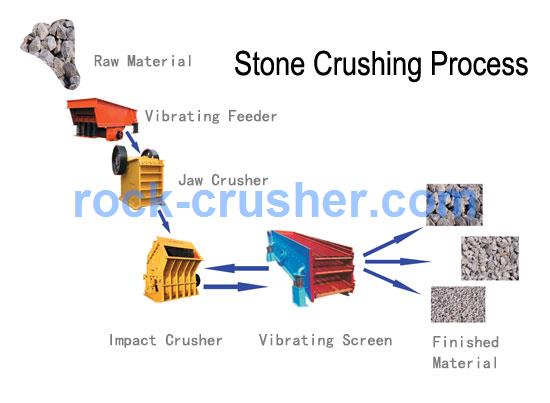
In this article, we’ll explore how gypsum rock is crushed, highlighting the equipment involved and the typical process flow.
1. Mining and Initial Handling
Gypsum rock is typically mined from quarries or underground mines. The raw gypsum extracted from these sites is often in large chunks or blocks. Before crushing, the large rocks may be broken down manually or with heavy machinery to smaller sizes that can fit into crushing machines.
2. Primary Crushing
Once the gypsum rock is ready for processing, it is fed into the primary crusher. The primary crusher’s stone is to reduce the size of large rocks into smaller pieces that can be handled by secondary crushing equipment.
Common primary crushers for gypsum include:
- Crushers: These use compressive force to break down the rock. The gypsum is crushed between a fixed jaw plate and a moving jaw plate.
- Crushers: These use impact force to shatter the rock. They are particularly effective for soft minerals like gypsum.
3. Secondary Crushing
After primary crushing, the gypsum rock pieces may still be too large for final use, so they are sent through secondary crushers for further size reduction. Common secondary crushers include:
- Cone Crushers: These provide a slower, more controlled crushing and produce finer particle sizes.
- Roll Crushers: Ideal for soft rocks like gypsum, roll crushers crush the material by passing it between two spinning rolls.
4. Screening and Classification
After crushing, the gypsum rock is screened to separate particles by size. Material that meets the desired particle size is sent forward for further processing, while larger particles may be returned to crushers for additional crushing.
Screening helps in:
- Improving crusher efficiency by reducing over-sized material.
- Ensuring consistent particle size for downstream applications like grinding or milling.
5. Grinding (If needed)
Sometimes, gypsum needs to be ground into a fine powder for uses such as plaster or cement additives. Grinding mills like ball mills, hammer mills, or roller mills can be employed after crushing and screening.
6. Handling Dust and Waste
Crushing gypsum can generate dust, which is a nuisance and an environmental concern. Most gypsum crushing plants employ dust collection systems such as bag filters, cyclones, or wet scrubbers to minimize dust emissions during the crushing process.
Safety Considerations
Gypsum crushing operations must adhere to safety standards to protect workers from dust inhalation, noise, and machine hazards. Personal protective equipment (PPE) like masks, ear protection, and gloves, along with machine guarding and proper training, are essential.
Crushing gypsum rock involves several stages, from primary crushing to screening, sometimes followed by grinding. The key equipment includes jaw crushers, impact crushers, cone crushers, and roll crushers. The process ensures gypsum is reduced to an appropriate size for industrial or agricultural use while managing dust and safety concerns.
Understanding how gypsum rock is crushed helps in optimizing production lines, reducing operational costs, and improving the quality of the final product.