
The use of rock crushers in various industries has revolutionized the way we extract, process, and utilize minerals. One popular piece of machinery that has played a significant role in this process is the hammer rock crusher. In this article, we will delve into how a hammer rock crusher works, highlighting its key components and operational principles.
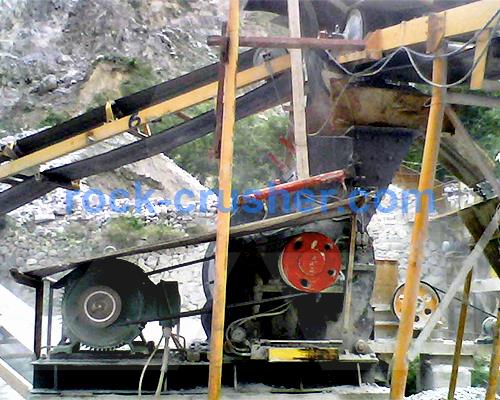
Key Components:
1. Hammer:
The hammer is a crucial part of the rock crusher, as it delivers the force necessary to crush materials. Typically made of steel or other durable materials, hammers are fixed to a rotor that rotates at high speed within the crushing chamber. They come in various shapes and sizes, depending on the specific application, and can be replaced when worn out.
2. Rotor:
The rotor is the central component of the hammer rock crusher and is responsible for driving the hammers. It consists of a shaft that connects to the motor and rotates at a high speed, causing the hammers to strike and crush the rocks as they pass through the crushing chamber. The design and weight distribution of the rotor contribute to the crusher's efficiency and effectiveness.
Operational Principles:
1. Crushing Process:
The process of crushing rocks with a hammer rock crusher starts with the delivery of the rocks into the crushing chamber. Depending on the desired size and application, the rocks may be fed manually or through a conveyor belt. Once inside the chamber, the rocks are repeatedly struck by the rotating hammers, which break them down into smaller pieces.
2. Impact and Attrition:
The force of the rotating hammers striking the rocks generates a combination of impact and attrition forces, enabling the crusher to reduce the rocks' size. Impact forces result from the rapid acceleration of the hammer as it strikes the material, while attrition forces occur due to the grinding and rubbing action between the hammers and rocks. This dual-action process effectively breaks down the rocks into smaller, more manageable sizes.
3. Adjustable Clearance:
To control the size of the final product, hammer rock crushers rely on an adjustable clearance between the hammers and the crushing chamber. By adjusting the distance, operators can regulate the size of the crushed rocks. This feature allows for the production of different grades of aggregates and ensures versatility in various applications.
4. Discharge:
Once the rocks have been crushed to the desired size, they exit the crushing chamber through a discharge opening. The size of this opening can also be adjusted to control the final product's size. Some crushers may include additional mechanisms, such as screens or grates, to further refine the final output.
Hammer rock crushers have become an integral part of many industries, from mining and construction to demolition and recycling. Understanding the basic mechanics behind these machines helps us appreciate their efficiency and durability. With their robust design and reliable performance, hammer rock crushers continue to play a crucial role in various processes where crushing and breaking down rocks is required.