
Rock crusher plants are fundamental units in the construction and mining industries, dedicated to transforming large rocks into smaller, more manageable pieces. In this article, we will delve into the inner workings of rock crusher plants to understand the processes that produce the desired material size, exploring the world of crushing operations and the machinery responsible for it.
Rock crusher plants consist of several components working in harmony to facilitate the crushing of rocks. The primary component is the crusher itself – a machine designed to break down large rocks into smaller fragments. This is accomplished through the utilization of a combination of mechanical force and pressure.
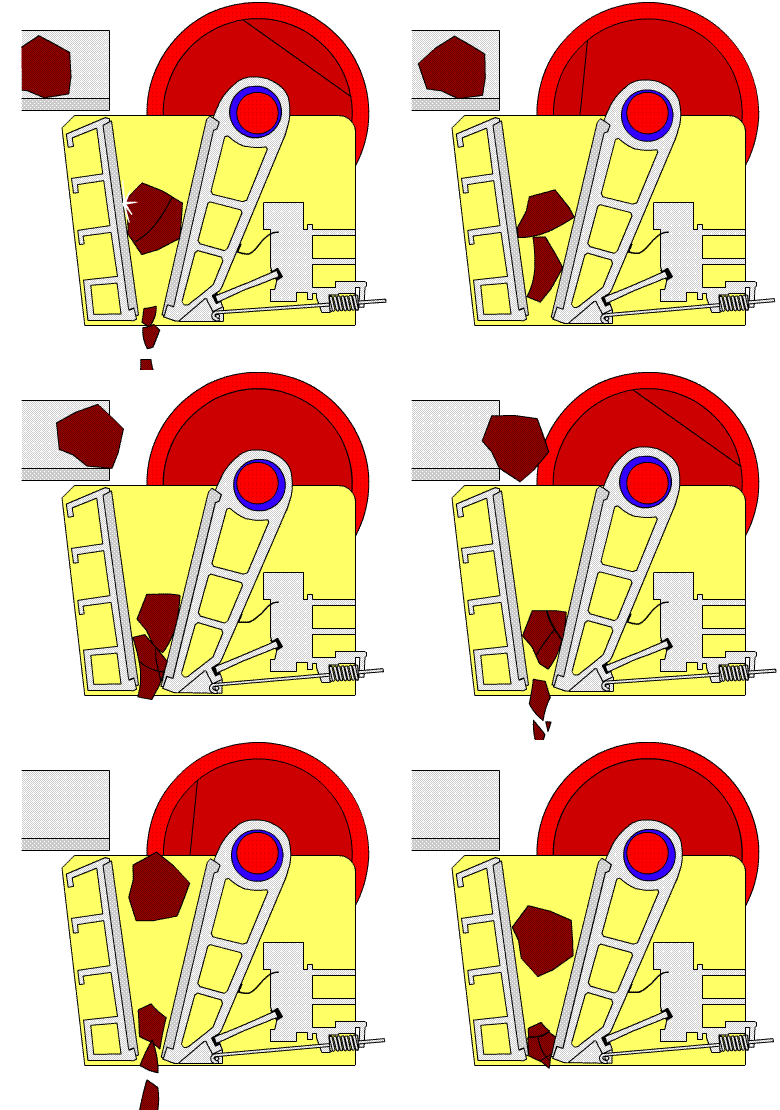
Mechanism of Operation:
1. Feeding:
The first stage involves feeding the raw material into the crusher. Large rocks are typically loaded into a vibrating feeder that directs them into the crusher's primary chamber. This feeder ensures a uniform flow of material, preventing any congestion or blockages that may hamper the crushing process.
2. Crushing:
Once inside the primary chamber, the rocks are subjected to heavy compression by a series of jaws or hammers attached to a rotor. These crushing surfaces exert immense force on the rocks, breaking them down into smaller fragments. The type of crusher used can vary, depending on the desired final product specifications.
3. Screening:
After the initial crushing, the fragmented rocks pass through a screening process. This involves the use of screens or sieves, which classify the material into different sizes. The screens allow smaller, desired-sized particles to pass through while directing larger pieces back into the crusher for further crushing.
4. Conveying and Stockpiling:
Following the screening process, the crushed material is transported from the crusher to stockpiles or conveyed directly to other areas for further processing. This ensures efficient handling and allows for the segregation of different-sized materials.
Benefits of Rock Crusher Plants:
1. Versatility:
Rock crusher plants offer versatility in terms of the raw material they can process. They can crush a wide range of materials, including limestone, granite, asphalt, concrete, and more, making them invaluable in various construction and mining applications.
2. Efficiency:
By utilizing machinery designed to handle the crushing process, rock crusher plants allow for efficient and consistent production. This not only saves time but also boosts productivity, enabling construction and mining projects to stay on track and meet their deadlines.
3. Cost-effectiveness:
Investing in a rock crusher plant proves to be a cost-effective solution in the long run. By reducing the need for manual labor and streamlining material processing, these plants enhance productivity while minimizing operational costs – a win-win scenario for businesses across the construction industry.
Rock crusher plants represent the heart of crushing operations within the construction and mining sectors. These plants efficiently transform large rocks into smaller fragments, providing a range of materials suitable for various applications. Through an intricate combination of mechanical force, pressure, and screening processes, these plants produce crushed materials that are vital for the construction of buildings, roads, and infrastructure worldwide.
As technology advances, rock crusher plants continue to evolve and improve, further enhancing their efficiency, productivity, and environmental friendliness. They stand as indispensable machinery in the construction industry, ensuring the rapid and consistent production of quality material for projects big and small.