
Rock crusher plants play a crucial role in the mining and construction industries. They are designed to break down large rocks into smaller, manageable sizes for further processing, construction use, or transportation. But how exactly does a rock crusher plant work? In this article, we will break down the process step by step to give you an insightful look into the operation of a rock crusher plant.
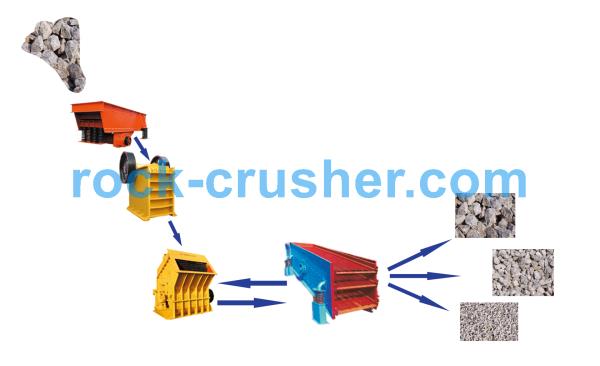
What Is a Rock Crusher Plant?
A rock crusher plant is a facility where various types of crushers are used to crush and process rocks of different sizes. These plants are often used in mining operations, quarrying, and construction activities to produce aggregates, gravel, and other materials used for building roads, buildings, and other infrastructure.
Components of a Rock Crusher Plant
The essential components of a rock crusher plant typically include:
- Feed Hopper: This is where raw materials (large rocks or stones) are fed into the plant.
- Conveyor Belts: These transport rock from one stage of the process to another.
- Primary Crusher: Usually a jaw crusher, it reduces the rock into smaller pieces.
- Secondary Crusher: This could be a cone crusher or impact crusher, further reducing rock size.
- Screening Equipment: Screens separate crushed materials based on size.
- Storage Bins or Piles: Processed materials are stored for later use or shipment.
How It Works: Step-by-Step Process
1. Feeding: The rock material is loaded into the feed hopper by dump trucks or loaders. The hopper controls the flow of material into the crusher.
2. Primary Crushing: The rock enters the primary crusher, commonly a jaw crusher. The jaw crusher uses compressive force to crush large rocks into smaller pieces, typically around 6-8 inches in diameter.
3. Conveying: After primary crushing, crushed rocks are transported via conveyor belts to the secondary crusher or screening area.
4. Secondary Crushing: The rock further passes through a secondary crusher like a cone crusher or impact crusher. This stage reduces the rocks to finer sizes suitable for various applications, such as road base or concrete aggregates.
5. Screening: The crushed material moves to vibrating screens that separate it based on size. Oversized materials are sent back through additional crushing stages, while properly sized aggregates move forward.
6. Stockpiling: Once sorted, materials are moved to stockpiles or bins where they await transport.
Key Functional Aspects
- Automation and Control: Modern rock crusher plants use computer-based control systems to optimize performance and minimize downtime.
- Wear and Tear: Crusher parts wear out and must be regularly maintained or replaced to keep the plant running efficiently.
- Material Handling: The plant design ensures smooth material flow to avoid jams or downtime.
Applications
Rock crusher plants are indispensable in:
- Mining: Extracting valuable ore by size reduction.
- Construction: Producing gravel and aggregate for building roads and concrete.
- Recycling: Crushing demolition waste for reuse.
Final Thoughts
A rock crusher plant operates as an integrated system designed to transform large rocks into usable materials efficiently. Each component plays a specific role, from feeding raw rock to delivering screened, quality aggregate. Understanding how this system works reveals the complexity and engineering behind the construction and mining sectors.