
In the midst of the mining industry's rapid technological advancements, a key player in extracting valuable minerals from the earth's depths stands tall - the mine rock crusher. This heavy-duty machinery plays a crucial role in breaking down large rocks and turning them into smaller, manageable sizes. In this article, we will delve into the intricate details of a formidable mine rock crusher and explore its significance in optimizing crushing efficiency.
1. Crushing Power and Configurations:
At the heart of a mine rock crusher lies its crushing chamber, where colossal rocks are shattered into smaller fragments. These chambers often come in various configurations based on the specific requirements of the mining operation. Common types include jaw crushers, cone crushers, and impact crushers.
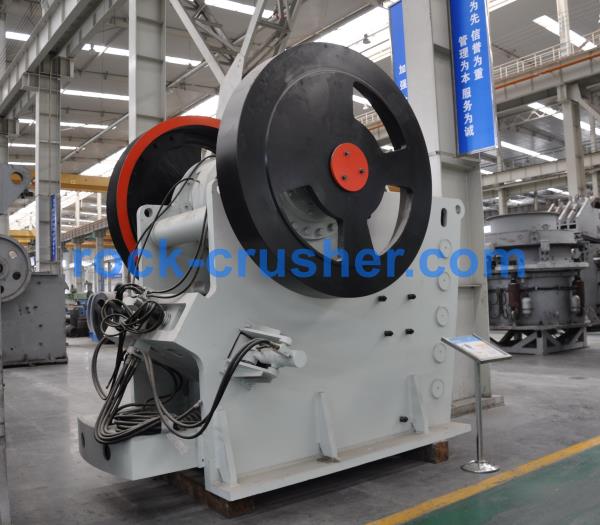
Jaw crushers: Known for their robust design, jaw crushers utilize a fixed jaw and a movable jaw to exert immense pressure on the crushing material. This compressive force breaks down rocks into uniform sizes, making them suitable for further processing.
Cone crushers: These crushers operate by squeezing the rock between a rotating mantle and a stationary concave surface. The tapered design of the crushing chamber ensures precise and efficient crushing, resulting in consistently sized output materials.
Impact crushers: Utilizing rapid impact forces, these crushers break rocks by colliding them against stationary anvils or rotating rotor assemblies. Their versatility allows the production of various sizes of crushed materials.
2. Crushing Efficiency and Productivity:
The primary objective of a mine rock crusher is to maximize crushing efficiency while minimizing energy consumption. Several factors contribute to achieving this balance:
Feed size control: The rock feed entering the crusher should be uniform in size to optimize performance. By ensuring consistent and appropriate feeding, the crusher can operate at its peak efficiency.
Crushing speed and stroke: Adjusting the speed and stroke of the crusher allows operators to customize the output size and maximize the overall crushing capacity. Fine-tuning these parameters ensures optimal productivity while avoiding overloading the crusher.
Automation and monitoring systems: Incorporating advanced automation and monitoring technologies ensures the continuous and smooth operation of the rock crusher. Real-time data on power consumption, material flow, and crusher pressure allow operators to make data-driven adjustments, enhancing overall efficiency.
3. Durability and Maintenance:
Given the harsh conditions and heavy workloads encountered in mining operations, the durability and easy maintenance of a mine rock crusher are critical considerations. Features that contribute to longevity and reduced downtime include:
Robust construction: High-quality materials and a sturdy construction enable the crusher to withstand the abrasive nature of rocks, reducing the risk of breakdowns.
Easy-access design: A well-thought-out design with easily accessible components facilitates routine inspections, maintenance, and timely repairs. Regular maintenance ensures the crusher operates at optimal performance, minimizing unplanned downtime.
Lubrication systems: Effective lubrication systems help to reduce friction and prevent premature wear on critical components. Proper lubrication extends the lifespan of the crusher and ensures smooth operation.
The mine rock crusher is an indispensable tool for the mining industry, playing a vital role in extracting valuable minerals from the earth's crust. Understanding the intricate details of this powerful machine helps optimize its performance and efficiency. By considering factors such as crushing power, configurations, efficiency, and durability, operators can enhance rock crushing operations, leading to increased productivity and optimized resource utilization.