
Are you a small-scale miner or a DIY enthusiast looking to crush rocks at home? If so, it's essential to understand the operating principles of a small rock crusher. A rock crusher is a device used to crush rocks into smaller pieces, usually for gravel or construction purposes. It can also be used to break down rocks into fines for mineral extraction or sample preparation. In this article, we will explore the operating principles of a small rock crusher to help you maximize its efficiency and achieve the desired results.
1. Crushing Mechanics:
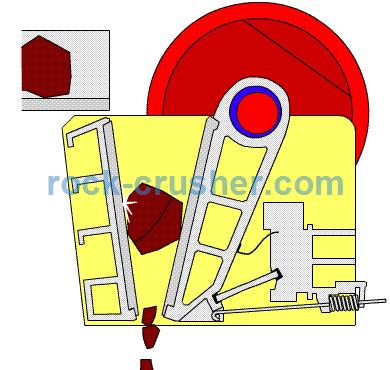
The primary principle behind a small rock crusher is to apply force to materials in order to break them down into smaller sizes. The crusher uses mechanical pressure to achieve this task, exerting force on the rocks by applying energy through a series of mechanical components. The most common mechanism used in rock crushers is the jaw crusher, which operates by compressing the material between two parallel jaws.
2. Jaw Crusher Components:
A typical small rock crusher consists of two jaws, known as a stationary jaw and a movable jaw. The stationary jaw remains fixed while the movable jaw moves back and forth to crush the rocks. To facilitate movement, the movable jaw is attached to an eccentric shaft that rotates, causing the jaws to open and close. The material is fed into the crushing chamber between the two jaws, and as the jaws move, the rocks are gradually crushed into smaller pieces.
3. Size Reduction and Crushing:
When rocks are fed into the crushing chamber, they undergo a process known as size reduction. This process involves breaking the rocks into smaller sizes by applying pressure. The size of the crushed material depends on the gap between the jaws, referred to as the discharge opening. By adjusting the discharge opening, you can control the size of the crushed rocks, allowing you to achieve the desired final product size. It's important to note that different rock types may require different settings to optimize the crushing process.
4. Power and Efficiency:
The power required to operate a small rock crusher is typically provided by a motor. The motor's power output determines the crusher's efficiency in crushing rocks. It's crucial to select a motor that is powerful enough to handle the workload and ensure efficient crushing. Additionally, the speed at which the eccentric shaft rotates also impacts the crusher's efficiency, as higher speeds result in more force and quicker crushing.
5. Safety Precautions:
Operating a small rock crusher requires proper safety precautions to ensure the well-being of the operator. Always wear protective gear, such as safety glasses, gloves, and earplugs, to protect yourself from flying debris and excessive noise. Familiarize yourself with the crusher's operation and read the manufacturer's manual thoroughly before use. Regularly inspect the crusher for any damage or wear that may affect its performance or safety.
Overall, understanding the operating principles of a small rock crusher is vital for efficient and safe rock crushing. By grasping the crushing mechanics, components, and size reduction process, you can optimize your crusher's performance to produce the desired results. Remember to prioritize safety and always follow the manufacturer's guidelines when operating a small rock crusher.