
The allure of gold prospecting is undeniable. The dream of striking it rich, panning for gold in a picturesque stream, is romanticized in stories and legends. But the reality often involves far more grit and grime, and a lot less picturesque scenery. To truly unlock the potential of gold-bearing rock, you need efficient and portable crushing equipment. This isn't your grandpappy's pickaxe and mortar and pestle anymore. Today, we're exploring the world of portable gold rock crushing equipment, helping you navigate the options and choose the best fit for your needs.
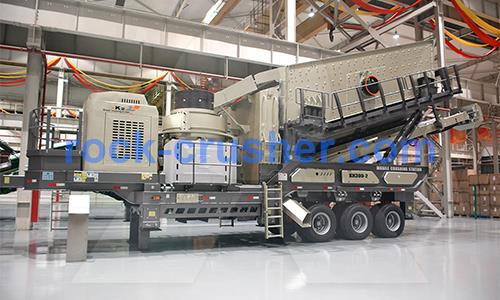
The first thing to understand is that "portable" doesn't necessarily mean "easily carried by one person." Depending on the scale of your operation and the hardness of the rock you're processing, portable can range from a manageable backpack-sized crusher to a small, towable unit. Let's break down some key categories:
1. Jaw Crushers (Small Scale): These are arguably the workhorses of small-scale gold prospecting. Manual jaw crushers, often hand-cranked, are ideal for crushing smaller quantities of rock into manageable sizes for further processing (like panning or sluicing). They are lightweight and relatively inexpensive, making them a popular choice for individual prospectors. However, they are labor-intensive and not suitable for large-scale operations. Larger, motorized jaw crushers exist but lose some of their portability.
2. Cone Crushers (Mid-Scale): Cone crushers offer a higher throughput than jaw crushers, making them suitable for more substantial operations. While you won't be easily carrying a cone crusher on your back, smaller, motorized versions can be transported with a trailer or pickup truck. They are more expensive than manual jaw crushers but are significantly more efficient.
3. Hammer Mills (High-Throughput): For truly large-scale operations, hammer mills provide the highest throughput. These powerful machines pulverize rock into a fine powder, maximizing gold recovery. However, these are the least portable option, requiring significant transportation and often needing a dedicated power source. They are typically not suited for lone prospectors.
4. Choosing the Right Equipment: Selecting the right portable gold rock crushing equipment hinges on several factors:
* Scale of operation: Are you a lone prospector, or part of a larger team?
* Hardness of the rock: Harder rocks require more powerful crushers.
* Budget: Prices range dramatically from a few hundred dollars for a manual jaw crusher to thousands for a motorized cone or hammer mill.
* Power source: Consider the availability of electricity or fuel in your prospecting location.
Beyond Crushing: It's important to remember that crushing is only one step in the gold recovery process. After crushing, you'll need to further process the material using techniques like panning, sluicing, or using a more advanced gold recovery system.
Safety First: Always prioritize safety when operating any type of crushing equipment. Wear appropriate safety gear, including eye protection, gloves, and hearing protection. Follow the manufacturer's instructions carefully.
Investing in the right portable gold rock crushing equipment can significantly improve your gold recovery efforts. By carefully considering your needs and budget, you can choose the equipment that will help you turn your prospecting dreams into reality. Remember to research thoroughly, read reviews, and compare prices before making your purchase. Happy prospecting!