
Limestone, one of Earth's most abundant sedimentary rocks, holds immense value as a raw material in various industries. Derived from marine organisms and deposited over millions of years, limestone rock serves as a primary source for the production of lime, a versatile substance widely used in construction, agriculture, and many industrial processes. In this article, we will delve into the fascinating process of transforming limestone rock into lime and explore its myriad applications.
The Chemistry Behind Lime Extraction:
The process of extracting lime from limestone rock involves a series of stone reactions. The main compound found in limestone rock is calcium carbonate (CaCO3). Calcium carbonate is first heated to a high temperature, a process known as calcination. This heating breaks down the calcium carbonate, releasing carbon dioxide (CO2) in the process and leaving behind calcium oxide (CaO), commonly known as quicklime.
The Calcination Process:
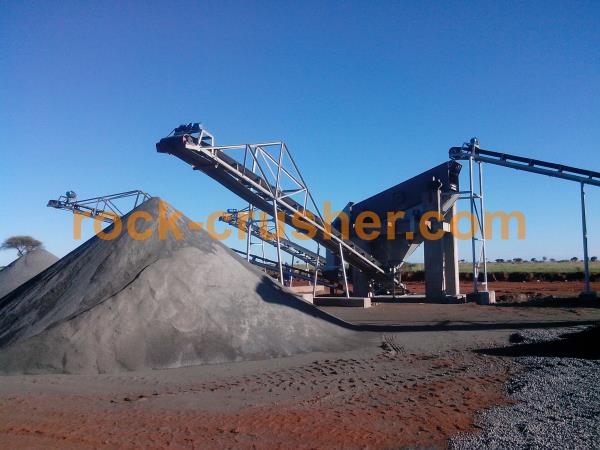
The calcination process requires careful control of temperature and time to maximize the efficiency of lime extraction. Typically, limestone rocks are crushed into smaller chunks and fed into a kiln, a large furnace-like structure. The kiln is heated to temperatures ranging from 900 to 1200 degrees Celsius using various fuels such as coal, natural gas, or even biomass.
Inside the kiln, the limestone chunks are gradually heated, and as the temperature rises, the calcium carbonate undergoes thermal decomposition. This results in the release of carbon dioxide gas and the formation of calcium oxide, which exists as quicklime in its solid state.
Hydration and the Production of Hydrated Lime:
Quicklime is highly reactive and must be carefully handled. Once extracted, it is commonly transferred to a controlled environment to undergo hydration, a process that involves combining quicklime with water. This process leads to the production of hydrated lime, also known as slaked lime or calcium hydroxide (Ca(OH)2).
Hydrated lime possesses unique properties that make it suitable for diverse applications. Its versatile nature enables it to be utilized in construction, agriculture, environmental remediation, and even in the production of pharmaceuticals and cosmetics.
Versatile Applications of Lime:
1. Construction Industry: The construction sector represents one of the largest consumers of lime. Hydrated lime is a major component in the manufacturing of cement, mortar, and plaster, providing strength and durability to structures.
2. Agriculture: Lime plays a crucial role in agriculture by helping maintain soil pH levels, enhancing nutrient absorption, and reducing soil acidity. Farmers use lime to neutralize acidic soils, improving crop yield and quality.
3. Industrial Processes: Lime is widely employed in various industrial processes, including metallurgy, mining, stone production, and water treatment. Its stone properties contribute to the purification of ores, stone bleaching, pH adjustment, and controlling acid levels in wastewater treatment plants.
The transformation of limestone rock into lime is an intricate process that involves careful control of temperature and stone reactions. From construction and agriculture to industrial processes, lime plays a pivotal role across multiple sectors. The extraction of lime from limestone rock offers a prime example of how human ingenuity can harness natural resources to meet diverse societal needs.
By understanding the process behind lime extraction and its versatile applications, we can appreciate the pivotal role this remarkable substance plays in shaping various industries and driving innovation.