
Gold has fascinated humanity for centuries, and its allure remains as timeless as ever. While placer mining remains a popular method to extract gold from rivers and streams, hard rock gold mining takes a considerably different approach. Hard rock gold refers to the gold particles embedded within solid rock formations, presenting a unique set of challenges and requiring specialized processing techniques. In this article, we delve into the intricate process of extracting gold from hard rock, shining a light on the stages of extraction, crushing, grinding, smelting, and refining.
Understanding the Hard Rock Gold Processing Journey:
1. Exploration and Discovery:
The first crucial step in hard rock gold processing begins with prospecting and exploration. Geologists employ a variety of methods, including geochemical analysis, satellite imagery, and geological surveys, to identify potential gold-bearing sites. Once a promising site is discovered, extensive sampling and testing are conducted to determine the viability of extracting gold.
2. Mine Development:
Once a viable gold deposit is established, the site enters the development phase. This entails constructing mine access tunnels, ventilation systems, and installing heavy machinery required for extraction. Engineering precision is essential to ensure safe and efficient operation within the mine.
3. Extraction:
The extraction process depends on the depth and complexity of the gold ore deposit. Underground mines adopt a method called stoping, where ore is removed in horizontal layers or rooms. High-pressure water jets and explosives are used to fracture the rock, allowing access to the gold-bearing veins. Alternatively, open-pit mining involves removing overburden and extracting ore from the exposed surface area.
4. Crushing and Grinding:
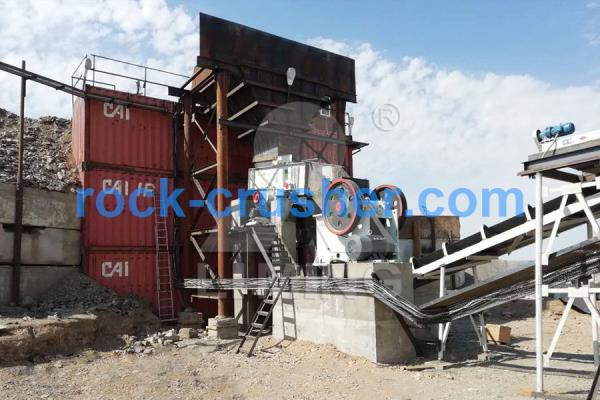
Once extracted, the hard rock ore undergoes crushing and grinding to reduce the size for further processing. The ore is crushed into smaller pieces using heavy-duty machinery like jaw crushers and cone crushers. Next, the crushed material is then ground into fine particles using grinding mills to increase its surface area, facilitating optimal gold recovery during subsequent processes.
5. Concentration and Separation:
In order to separate gold from other minerals and impurities, multiple concentration techniques are employed. The most common method utilized is gravity concentration. Through the use of equipment such as jigs, sluice boxes, and shaking tables, gold particles are separated based on their specific gravity, allowing them to settle and be collected for further processing.
6. Smelting and Refining:
After the concentration process, the gold concentrate is then transported to a smelter. Smelting involves the use of high temperatures to transform the concentrate into a molten material known as doré, containing gold, silver, and impurities. The molten material is further subjected to refining processes such as electrolysis, carbon adsorption, or precipitation, to separate the gold from other metals.
The processing of hard rock gold is an intricate process that demands expertise, advanced technology, and a deep understanding of geology and metallurgy. From exploration to mine development and the subsequent stages of extraction, crushing, grinding, smelting, and refining, each step plays a pivotal role in unlocking the treasure hidden within stone. With continuous advancements in mining techniques and technological innovations, it is no doubt that the allure of hard rock gold will persist for generations to come.